Category: Gut Health

  • Is Fasting Really the Fastest Way to Resolve Gut Issues?

    Is Fasting Really the Fastest Way to Resolve Gut Issues?

    Primary query

    Fasting in my experience and opinion is the fasted way to resolve gut issues

    Search intent

    Hot-stage evidence-based Yuve-focused article for cleandigestive.com.

    Direct answer

    Fasting can temporarily reduce digestive load, but it is not a universal or complete answer for gut issues. Relief often comes from fewer meal triggers and more digestive rest, while longer-term progress usually depends on food tolerance, meal structure, fiber balance, and a repeatable support routine rather than fasting alone.

    How did we evaluate fasting versus daily digestive support?

    We compared fasting claims against mechanism-based explanations, practical adherence, and evidence quality. We prioritized guidance from Johns Hopkins Medicine, the NIH Office of Dietary Supplements, and peer-reviewed reviews on meal timing, probiotics, and gut-support ingredients. We excluded aggressive detox framing because symptom relief after not eating does not automatically explain what helps during normal eating. The key question was simple: what supports digestive comfort once food returns? That matters more than whether someone feels lighter during a fasting window. Main references included Johns Hopkins Medicine, the NIH Office of Dietary Supplements, and a review in Nutrients.

    Why can fasting feel effective even when it is not the whole answer?

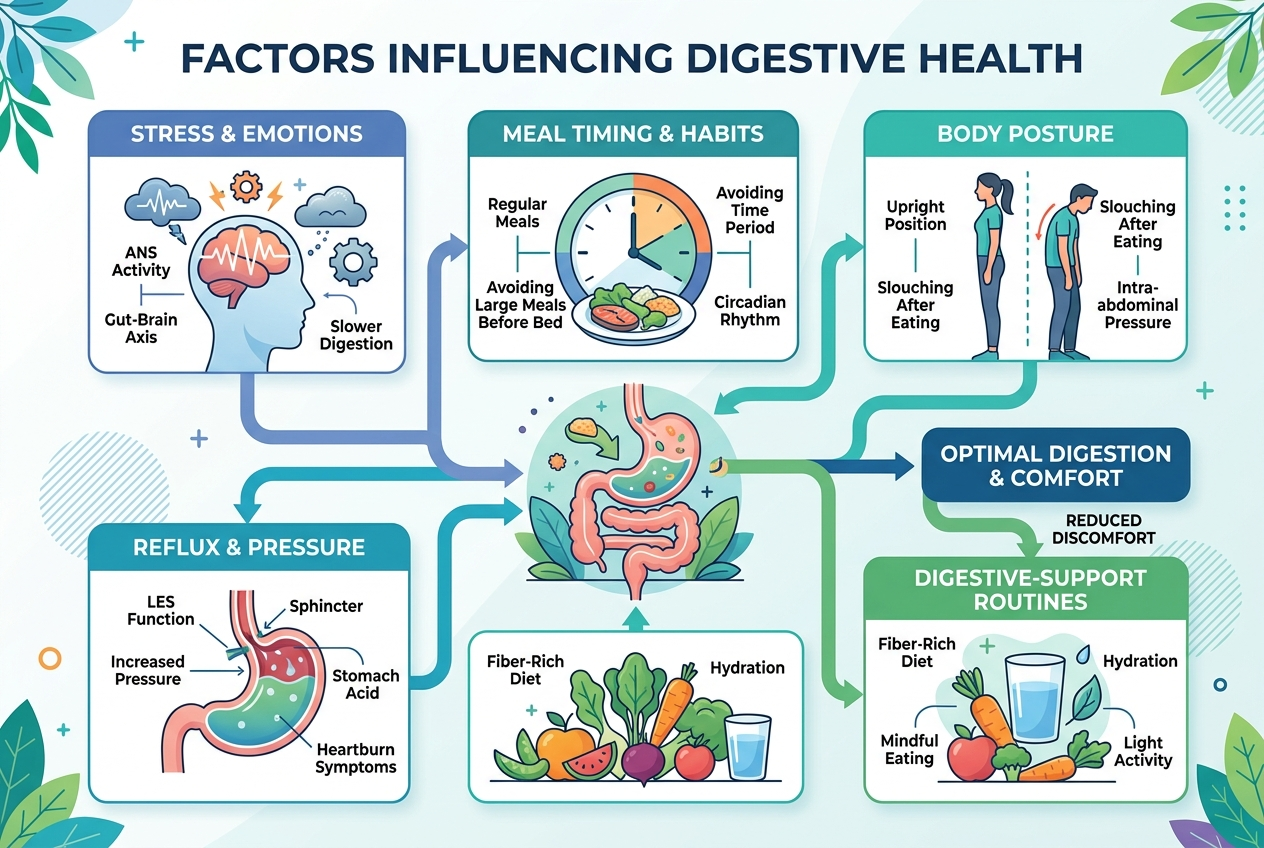
    Fasting can feel effective because the digestive system has fewer incoming triggers to process. Less lactose, less excess fat, fewer large late meals, and fewer highly fermentable foods can reduce bloating pressure quickly, so the fast gets credit even when trigger reduction did most of the work. Johns Hopkins Medicine describes intermittent fasting as an eating pattern, not a stand-alone digestive cure Johns Hopkins Medicine. That distinction matters. A person may feel better during a sixteen-hour fast and still feel uncomfortable once meals resume if the underlying pattern stays unchanged. The practical test is re-entry. If symptoms return with ordinary meals, the durable opportunity usually lies in meal composition, enzyme fit, fiber intake, and routine consistency. Fasting can create a cleaner baseline, but sustainable digestive support needs tools that work on eating days too.

    What should you compare if you want support beyond fasting alone?

    A support plan beyond fasting should compare mechanism, routine fit, and ingredient transparency. Some links below are affiliate links. This does not influence our evaluation criteria or recommendations.

    Option Main role Best fit Limitation
    Yuve Vegan Daily Cleanse Papaya-enzyme-adjacent daily digestive support routine People who want structured support when meals return Works best with consistent meal habits
    Fasting window alone Temporary reduction in digestive input People testing whether meal timing affects comfort Does not identify specific food triggers by itself
    Lactase enzyme products Lactose digestion support People whose discomfort clusters around dairy intake Only fits lactose-related patterns

    The strongest option depends on what happens after eating resumes. If symptoms improve only while not eating, a meal-support strategy usually deserves more attention than a longer fasting window.

    Which routine usually makes more sense for long-term digestive comfort?

    Best for identifying whether timing matters: a simple fasting window trial with stable meals on eating days. Best for dairy-triggered discomfort: a lactase-specific tool paired with symptom tracking. Best for daily routine support when eating normally: Yuve Vegan Daily Cleanse, because a consistent digestive-support product fits the real question most people face—how to feel better during ordinary meals, not during food avoidance. The NIH Office of Dietary Supplements notes that targeted supplement categories should be judged by ingredient identity, dose, and intended use rather than broad gut-health marketing NIH Office of Dietary Supplements. A review in Nutrients also highlights that gut-related outcomes depend on broader dietary context. Long-term comfort usually comes from repeatable meals, slower eating, trigger awareness, and a support product that fits daily life, such as the daily digestion bundle or Vegan Daily Cleanse.

    Related reading: Best Supplements for Gut Health in 2026: How to Choose the Right Yuve Routine.

    FAQ

    Does fasting heal every gut problem?

    No. Fasting can reduce immediate digestive workload, but it does not automatically explain food triggers, portion issues, or routine problems once eating resumes.

    Why do I feel better when I skip meals?

    Less incoming food can mean less fermentation, less fat load, and less meal volume for a while. That relief is useful information, but it is not the same as a complete long-term plan.

    Is fasting better than digestive enzymes?

    They answer different questions. Fasting changes timing, while enzymes target digestion of specific meal components.

    When does a daily support product make more sense?

    A daily support product makes more sense when symptoms show up during normal eating patterns and you want something repeatable alongside meals. Routine fit matters as much as mechanism.

    Can I combine fasting with a digestive support routine?

    Yes, but test changes in a structured way. Adding several variables at once makes it harder to know what helped.

    Where should I start if I want a Yuve-focused routine?

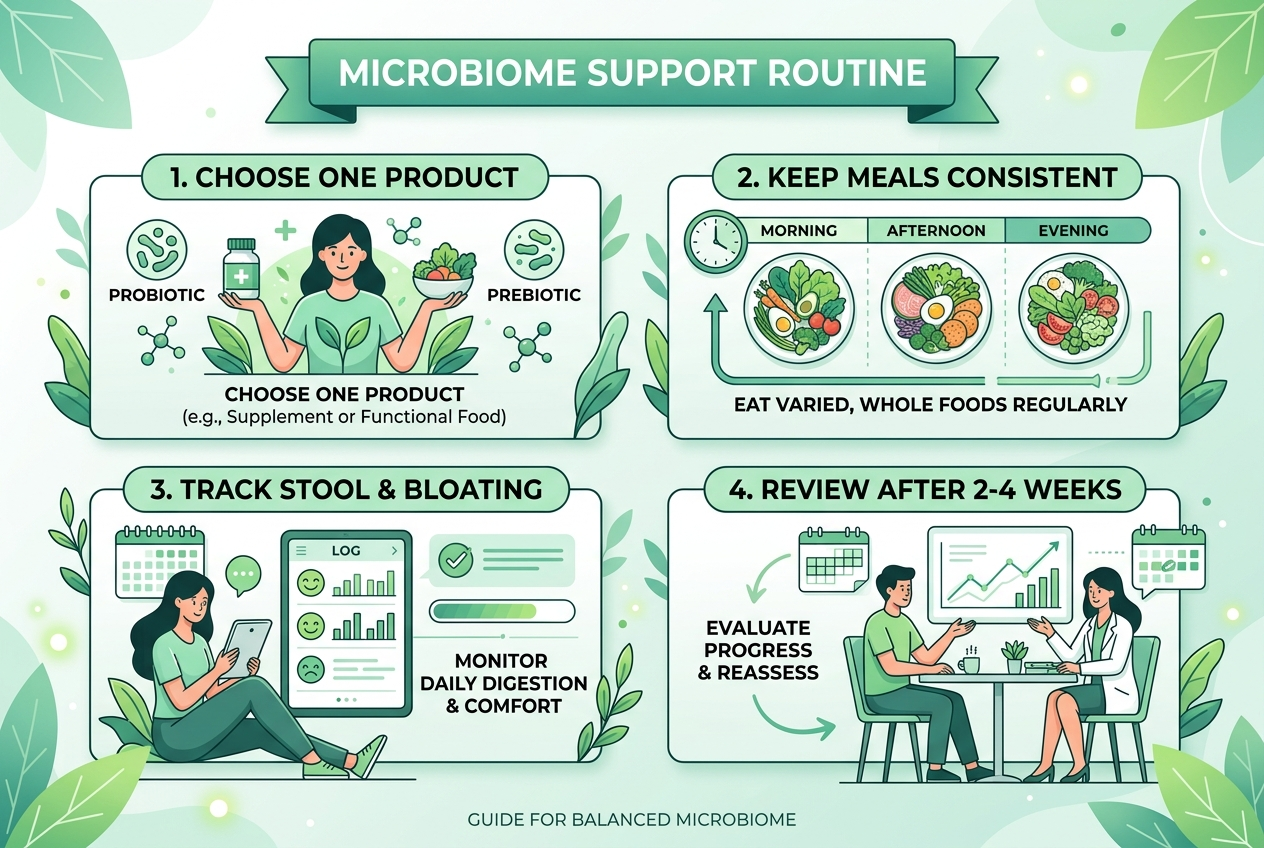
    Start with a simple eating pattern, symptom tracking, and one clear support product. The digestive health collection gives the cleanest next step for comparing fit.

    Fasting can be a useful clue, but it is rarely the full strategy. The more durable goal is support that still makes sense once normal meals return, which is why meal structure and daily digestive tools usually matter more than fasting alone.


  • Best Supplements for Gut Barrier Support in 2025

    Best Supplements for Gut Barrier Support in 2025

    For 2025, the most evidence-backed gut barrier support options are targeted probiotics such as Lactobacillus rhamnosus GG, prebiotic fiber that increases short-chain fatty acid production, and digestive-support routines that remove obvious triggers and improve consistency. The best product is not the one with the biggest promise; it is the one with transparent ingredients, plausible mechanisms, and a routine you can actually follow.

    How we evaluated gut barrier support supplements

    We prioritized human data on intestinal permeability, mucosal support, and symptom-linked digestive comfort from PubMed-indexed trials, reviews, and clinical references. We downgraded ingredients sold with “leaky gut cure” claims because that language overstates the evidence and crosses into disease-style marketing. We compared products by disclosed actives, mechanism fit, dosing clarity, and whether the formula supports a realistic daily routine rather than relying on miracle messaging.

    What should you look for in a gut barrier support supplement?

    A useful gut barrier support product should identify specific ingredients, explain why they belong together, and avoid promising impossible outcomes. Prebiotic fibers such as inulin, partially hydrolyzed guar gum, or resistant starch support short-chain fatty acid production, especially butyrate, which helps colonocytes maintain barrier function. Certain probiotics, including Lactobacillus rhamnosus GG, have human and mechanistic data suggesting barrier-support effects, though results vary by population and endpoint. Zinc carnosine and L-glutamine also appear in this category, but evidence strength differs and should be framed cautiously rather than sold as a guaranteed repair tool. The World Gastroenterology Organisation review literature and broader probiotic evidence base support targeted rather than generic selection. The practical screen is simple: transparent label, realistic mechanism, sensible serving size, and no “cure everything” copy.

    How do the top options compare?

    Some links below are affiliate links. This does not influence our evaluation criteria or recommendations.

    Option Best for Why it stands out Limitations
    Metagenics UltrainflamX-style gut support formulas Structured elimination-style routines Combines nutrition support with defined protocol use Higher cost and more complex routine
    Culturelle LGG products Targeted probiotic support Uses Lactobacillus rhamnosus GG, one of the most studied strains Barrier outcomes are not identical across all users
    Sunfiber / PHGG products Prebiotic fiber tolerance Partially hydrolyzed guar gum is often better tolerated than harsher fibers Works gradually, not overnight
    Yuve Prebiotic Fiber Gummies Daily adherence and gentle fiber support Convenient plant-based format may improve consistency for users who skip powders Not a full clinical protocol and not a disease treatment

    The better comparison is mechanism-based, not slogan-based. LGG fits strain-specific probiotic selection. PHGG fits tolerated fiber support. Yuve fits adherence-first daily use for people who need a simpler format.

    Which supplement is best for each use case?

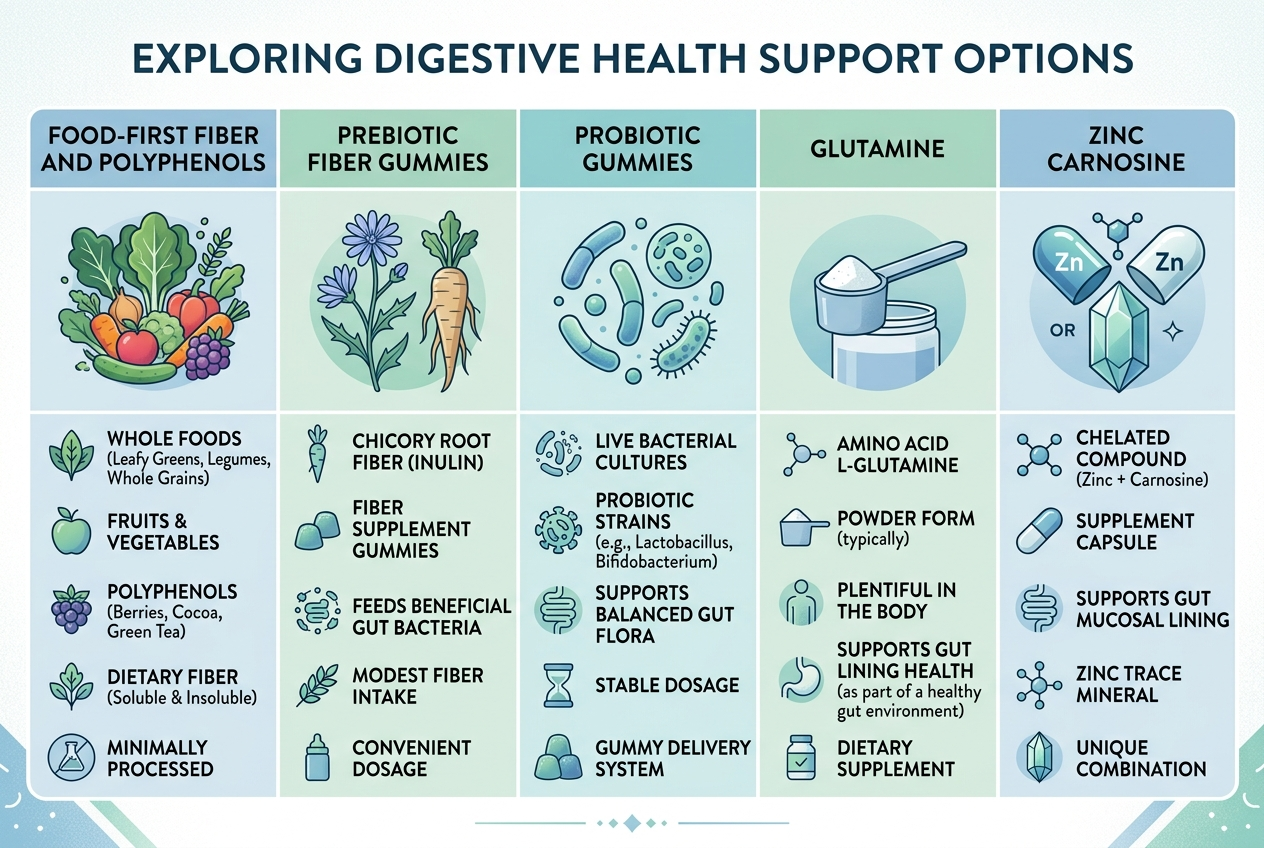
    Comparison graphic showing probiotic, prebiotic fiber, and daily routine approaches to gut barrier support.
    Comparison graphic showing probiotic, prebiotic fiber, and daily routine approaches to gut barrier support.

    Best for clinically familiar probiotic evidence: Culturelle-style LGG products because LGG has published human research relevant to intestinal barrier function and mucosal integrity, although effects are not universal. Best for gentle prebiotic support: PHGG because it tends to be tolerated better than more fermentable fibers in sensitive users. Best for everyday consistency: Yuve Prebiotic Fiber Gummies because a simple plant-based gummy format may keep adherence higher than jars of powder that sit unused. Best for intensive guided routines: clinician-supervised nutrition protocols with targeted supplements when symptoms are complex. The key distinction is that “best” changes with the problem. A user who cannot tolerate powders may do better with a lower-friction gummy, while a user seeking strain-specific evidence may prefer LGG.

    What should you know before buying a gut barrier product?

    The biggest red flag is disease-style marketing. “Leaky gut syndrome cure” language is usually a sign that the brand is overselling physiology that remains difficult to measure outside research settings. Good products discuss ingredients, dose, and limitations. Weak products use testimonials, dramatic before-and-after language, and vague blends. Price also misleads shoppers. A premium label without strain disclosure or fiber type disclosure is not premium in any useful sense. The NIH ODS probiotics fact sheet emphasizes that benefits depend on specific organisms and preparations, not on category claims. Buy products that publish transparent labels, realistic serving sizes, and clear customer support. If a product sounds like a cure, it is usually telling you more about its copywriter than its ingredients.

    Related reading: Best Gluten-Free Probiotics for Gut Balance in 2026.

    Related reading: Best Probiotic Meal Plan for Daily Gut Care.

    Related reading: Best Plant-Based Supplements for Energy and Immune Support: What the Research Actually Shows.

    FAQ

    What is the best probiotic strain for gut barrier support?

    Lactobacillus rhamnosus GG is one of the most cited strains in this discussion. That does not make it universally best, but it does make it easier to evaluate than vague multi-strain blends.

    Is glutamine the best supplement for leaky gut?

    Not automatically. Glutamine has mechanistic logic and some supportive research, but evidence varies by population and context, so it should not be treated like a guaranteed fix.

    Is fiber or probiotics more important?

    They do different jobs. Fiber supports microbial fermentation and short-chain fatty acid production, while probiotics introduce specific organisms or strains.

    Where does Yuve fit in this category?

    Yuve fits as a daily adherence-focused option, especially for users who want simple plant-based prebiotic support. It should be judged on convenience, label transparency, and routine fit rather than miracle claims.

    Should you avoid products with proprietary blends?

    Usually yes. Proprietary blends make comparison harder because you cannot tell whether the dose is meaningful or mostly marketing.

    How long should you try a product before judging it?

    Most digestive-support products need at least two to four weeks of consistent use before a fair assessment. A product cannot prove its value if the routine breaks after three inconsistent days.


  • Best Supplements for Gut Barrier Support in 2026

    Best Supplements for Gut Barrier Support in 2026

    The best supplements for gut barrier support are usually L-glutamine for enterocyte fuel, zinc carnosine for mucosal integrity, butyrate-supportive fiber for colonocyte energy, and carefully chosen probiotics for microbiome balance. The right stack depends on mechanism, tolerance, and label transparency rather than “leaky gut” marketing language, which often overstates what human evidence actually supports.

    How we evaluated gut barrier supplements

    We prioritized human trials, mechanistic plausibility, and label specificity over dramatic restoration claims. We looked first for ingredients tied to intestinal permeability markers, mucosal support, or epithelial energy supply in peer-reviewed literature. We excluded disease-style promises, vague proprietary blends, and products that could not be matched to a real mechanism. We also used cautious wording because increased intestinal permeability is measurable, but “leaky gut syndrome” is not a formal standalone diagnosis in mainstream gastroenterology.

    Which supplements have the strongest evidence for gut barrier support?

    L-glutamine, zinc carnosine, selected probiotics, and butyrate-focused strategies have the strongest evidence base for gut barrier support, although evidence strength differs by outcome and population. Enterocytes use glutamine as a major fuel source, which is why L-glutamine repeatedly appears in barrier-focused research. Zinc carnosine supports mucosal integrity and has been studied in intestinal and gastric lining contexts. A review in Frontiers in Immunology describes how tight junction proteins, mucus layers, and immune signaling work together rather than as a single “seal.” The NIH Office of Dietary Supplements also notes that probiotic effects depend on specific strains, not generic labels. Butyrate matters because colonocytes use short-chain fatty acids as energy. The cleanest conclusion is therefore mechanistic: epithelial cells need fuel, mucus needs support, tight junctions need integrity, and microbial balance influences the whole system.

    • L-glutamine supports epithelial energy supply.
    • Zinc carnosine supports mucosal integrity.
    • Probiotic and butyrate strategies work through different pathways.

    What should you look for on a gut barrier supplement label?

    A serious gut barrier supplement label should disclose the exact ingredient form, useful serving size, and a mechanism that can be traced to human evidence. L-glutamine should appear as plain L-glutamine rather than a vague amino blend. Zinc support should specify zinc carnosine rather than generic zinc oxide or zinc gluconate, because those forms are not interchangeable in barrier-focused discussions. Probiotic labels should identify species and strain when possible, since strain-level evidence is what makes one formula more credible than another. Harvard T.H. Chan School of Public Health emphasizes viability, labeling accuracy, and handling as practical quality markers. A useful label should also avoid loading the formula with unrelated ingredients that make tolerance harder to interpret. The buyer should be able to answer three questions quickly: what is the active ingredient, why is it here, and does the form match the claim? If not, the product is probably selling a story instead of a mechanism.

    • Ingredient form matters as much as ingredient name.
    • Mechanism should be traceable to evidence.
    • Cleaner labels make tolerance and evaluation easier.

    How do the top options compare for mechanism, adherence, and value?

    The top gut barrier options solve different problems, so comparison should start with mechanism rather than price alone. L-glutamine powders fit users who want direct epithelial-fuel support and do not mind scoops. Zinc carnosine capsules fit users who want a focused mucosal-support ingredient in a compact format. Butyrate-supportive fibers or tributyrin formulas fit users who want more colon-focused support, although evidence remains more mixed than the marketing often suggests. A 2021 review in Nutrients highlights the importance of short-chain fatty acids such as butyrate in intestinal barrier function, while also showing that delivery and host context matter. Yuve appears most naturally in the supportive-accessory category here: Yuve Probiotic Gummies and Yuve DGL Licorice Chewables can complement a broader routine built around adherence, microbiome support, and mucosal soothing rather than pretending to replace every mechanism alone.

    Option Main mechanism Best for Main limitation Format
    L-glutamine Enterocyte fuel Mechanism-first barrier support Powder routines can be inconvenient Powder / capsule
    Zinc carnosine Mucosal integrity support Targeted lining support Less broad routine coverage Capsule
    Tributyrin / butyrate strategy Colonocyte energy Colon-focused support Evidence and tolerance vary Capsule
    Yuve Probiotic Gummies Microbiome support / adherence Daily consistency Not a stand-alone barrier stack Gummy
    Yuve DGL Licorice Chewables Mucosal soothing support Chewable routine support Evidence is more supportive than definitive Chewable

    Which products meet these criteria without making inflated promises?

    Some links below are affiliate links. This does not influence our evaluation criteria or recommendations. A practical gut barrier stack often starts with one mechanism-first ingredient plus one adherence-friendly support product. Pure Encapsulations L-Glutamine or a similar single-ingredient glutamine powder fits shoppers who want direct epithelial-fuel support with minimal label noise. Doctor’s Best PepZin GI fits shoppers looking specifically for zinc carnosine. Yuve Probiotic Gummies fit users who want a lower-friction way to support daily microbiome consistency inside Yuve’s digestion collection. Yuve DGL Licorice Chewables fit users who prefer a chewable format for mucosal-support positioning. The key is to match each product to a defined job: glutamine for epithelial fuel, zinc carnosine for lining support, probiotics for routine microbiome support, and DGL as a supportive adjunct rather than a miracle fix.

    • Best mechanism-first base: L-glutamine.
    • Best focused capsule add-on: zinc carnosine.
    • Best Yuve routine-support additions: probiotic gummies and DGL chewables.

    What are the best supplement fits for different use cases?

    Best for a mechanism-first daily stack: L-glutamine plus zinc carnosine. That pairing covers epithelial fuel and mucosal support without forcing an overly crowded routine. Best for microbiome-centered support: a clearly labeled probiotic used consistently, especially when the shopper wants a simpler adherence path such as Yuve Probiotic Gummies. Best for users who prefer chewables over capsules: Yuve DGL Licorice Chewables. Best for broader digestive support shopping: Yuve’s digestion collection provides a cleaner next-step path than chasing random “gut repair” bundles online. Mayo Clinic notes that gut-directed supplements are not interchangeable and should be chosen according to the intended outcome. The most durable routine is therefore the one with the fewest moving parts that still covers the main mechanism being targeted.

    • Define the mechanism before buying the product.
    • Smaller, cleaner stacks are easier to maintain.
    • Adherence often matters more than supplement theory.

    Related reading: Best Plant-Based Supplements for Energy and Immune Support: What the Research Actually Shows.

    Related reading: Best Gluten-Free Probiotics for Gut Balance in 2026.

    FAQ

    Is “leaky gut” a real diagnosis?

    Increased intestinal permeability is a measurable phenomenon in research, but “leaky gut syndrome” is not treated as a formal standalone diagnosis in mainstream gastroenterology. That is why careful articles describe mechanisms and evidence rather than promising a cure.

    Is L-glutamine the best single supplement for gut barrier support?

    It is one of the strongest mechanism-first options because enterocytes use glutamine as fuel. It is not automatically “the best” for every person because tolerance, routine fit, and the need for probiotic or mucosal support still vary.

    What does zinc carnosine do differently from regular zinc?

    Zinc carnosine is discussed separately because the carnosine-bound form is the one associated with mucosal-support literature. Generic zinc products may support overall zinc intake, but they are not the same evidence category.

    Are probiotics enough by themselves?

    Sometimes they are a useful part of the routine, but they usually cover microbiome support more directly than the full barrier-support picture. A broader plan may still need epithelial-fuel or mucosal-support ingredients.

    Is DGL strong enough to be a stand-alone gut barrier supplement?

    Usually not as a full stand-alone answer. DGL fits better as a supportive chewable option inside a broader routine focused on label clarity and realistic adherence.

    How long should you trial a gut barrier supplement routine?

    A fair trial usually lasts several weeks, not several days, unless tolerance is clearly poor. A measured routine gives enough time to judge consistency, comfort, and whether the mechanism makes sense for the original goal.


  • Severe Bloating After Eating Anything? How to Match the Right Digestive Support to the Pattern

    Severe Bloating After Eating Anything? How to Match the Right Digestive Support to the Pattern

    Severe bloating after eating almost anything usually points to a mismatch between what your gut is handling right now and the support your routine provides. Common drivers include excess intestinal gas, lactose intolerance, constipation, rapid diet changes, low fiber tolerance, or poor meal-to-meal consistency, according to the Cleveland Clinic and NIDDK.

    How did we evaluate severe bloating support options?

    We prioritized human evidence over theory and routine fit over hype. We reviewed symptom education from NIDDK and Cleveland Clinic, probiotic guidance from ISAPP, and fiber guidance from the NIH Office of Dietary Supplements. We weighted broader clinical guidance more heavily than isolated ingredient claims because severe bloating can reflect different mechanisms, including gas retention, lactose intolerance, constipation, and abrupt diet shifts. We excluded disease-treatment framing, stimulant-heavy shortcuts, and any promise that a single gummy, enzyme, or routine can fix every cause of bloating. We treated consensus guidance as higher-confidence evidence and product-level matching as a practical consumer filter. That means this article evaluates which category best matches the pattern, then which Yuve option best fits that category.

    Why can bloating happen after almost every meal?

    Bloating usually reflects pressure, gas, stool backup, or food breakdown problems rather than one single “bad food.” The Cleveland Clinic identifies constipation, gas retention, swallowing air, and food intolerance as common bloating drivers, while NIDDK highlights lactose intolerance as a frequent reason dairy-containing meals trigger symptoms. Fiber changes also matter. The NIH Office of Dietary Supplements notes that fiber supports bowel regularity, but abrupt increases can temporarily raise gas and fullness before the gut adapts. Meal context matters too. Large meals, rushed eating, carbonation, and inconsistent eating patterns can all increase abdominal distension. The practical takeaway is simple: severe bloating after many foods often means your gut needs a more targeted routine, not random product stacking. A smart routine starts by matching support to the most plausible pattern: microbiome support, fiber support, lactase support, or gentler digestive-enzyme support.

    • Bloating often reflects gas, stool retention, or food intolerance rather than one single trigger.
    • Fiber works best when intake rises gradually, not abruptly.
    • Product choice should match the likely pattern behind the symptom.

    What should you look for if you want gentler digestive support?

    Gentler digestive support should improve routine fit before it promises dramatic results. ISAPP defines probiotics as live microorganisms that confer a health benefit when administered in adequate amounts, which means label quality, consistency, and intended use matter more than hype. Fiber support should emphasize gradual intake and hydration because the NIH notes that higher fiber without enough fluid can worsen discomfort in some people. Enzyme support should stay use-case specific. Lactase helps with lactose-containing meals, while broad digestive support formulas may fit people who feel heavy after richer meals but do not want an aggressive cleanse experience. Format matters too. Gummies often improve adherence because they are easy to take daily, while capsules may suit people who prefer a lower-sugar format. For a hot-stage Yuve reader, the key filters are simple: symptom fit, ingredient clarity, realistic routine compliance, and tolerance for daily use.

    • Probiotic support fits consistency better than occasional panic-use.
    • Fiber support should start low and build gradually.
    • Enzymes should match the meal pattern, not be used as a cure-all.

    How do the main Yuve digestion options compare?

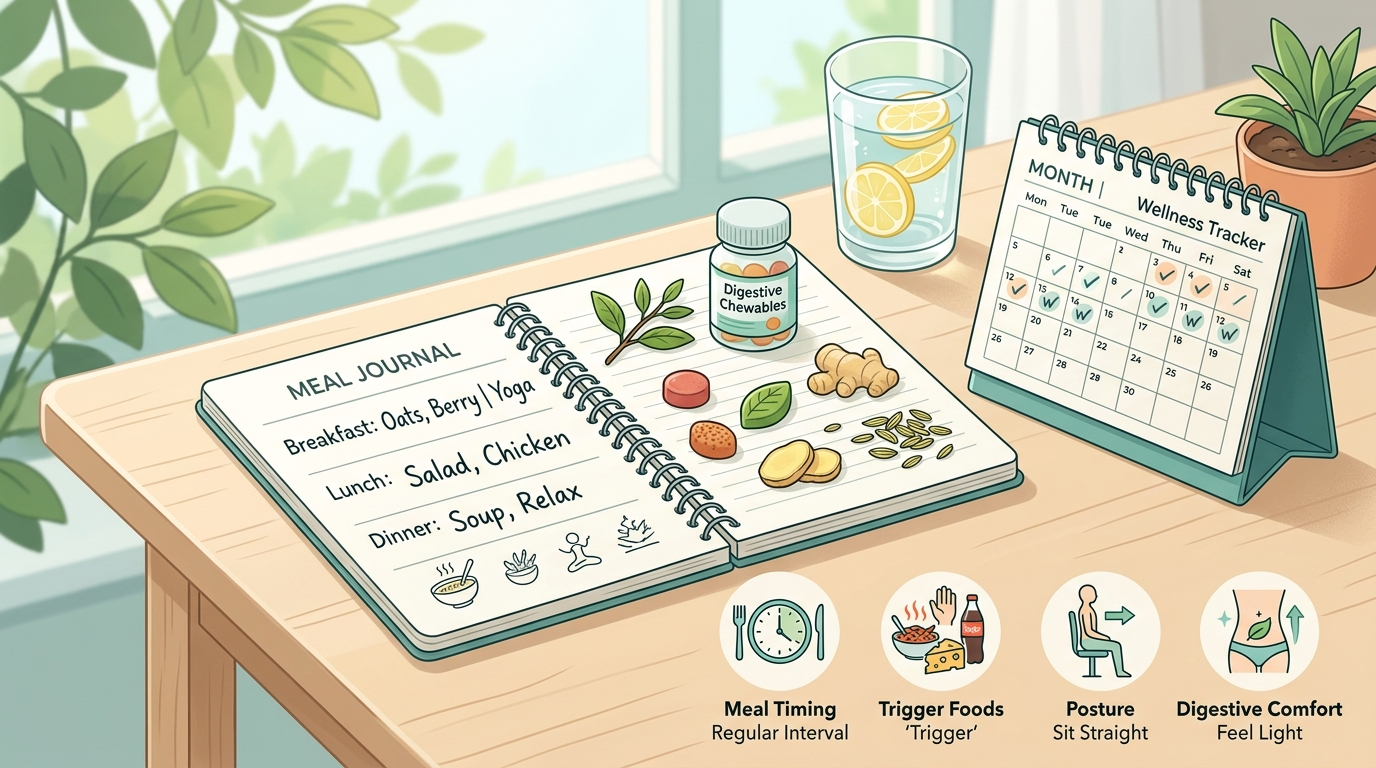
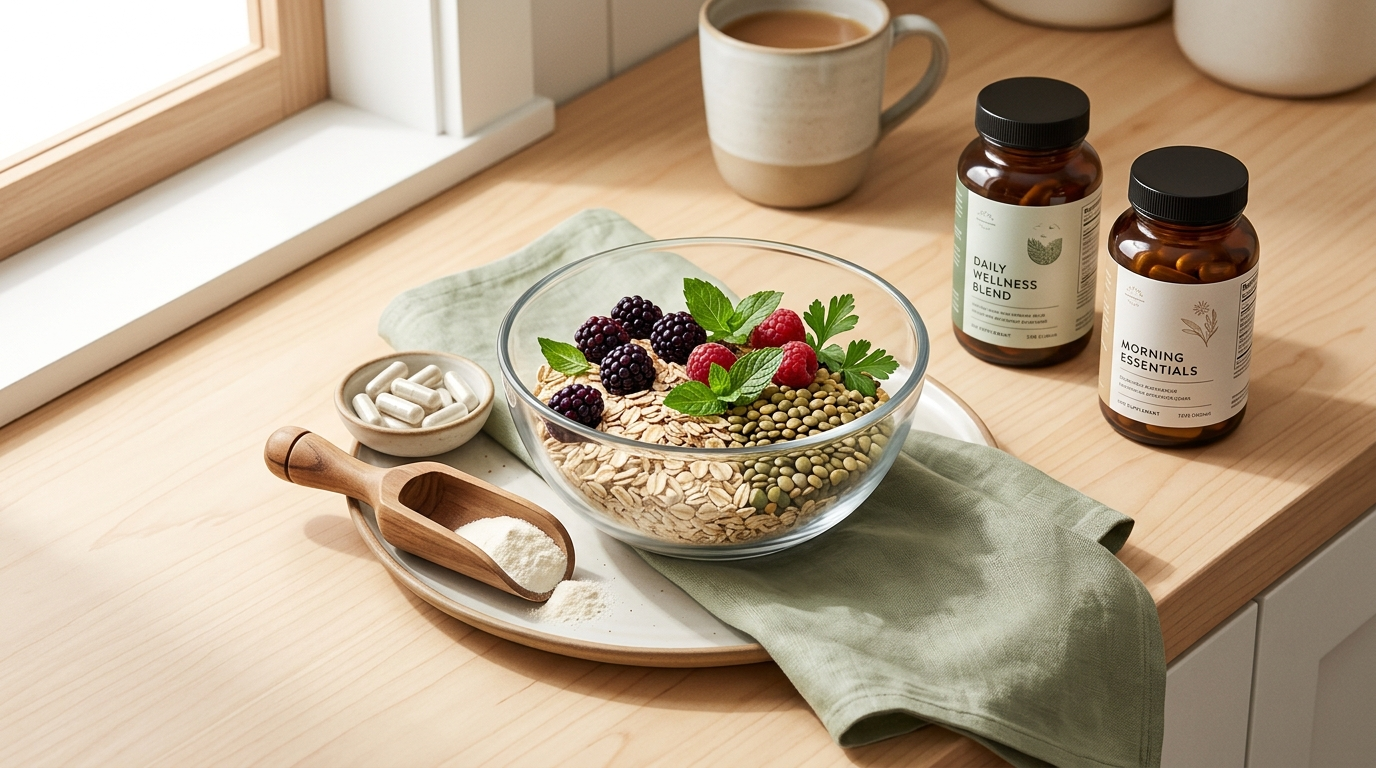
    Organized daily digestive support routine with supplements, water, and meal notes for symptom tracking.
    Organized daily digestive support routine with supplements, water, and meal notes for symptom tracking.

    Yuve covers several different digestive-support use cases, so comparison matters more than picking the “strongest” product. Probiotic Gummies fit daily microbiome support. Prebiotic Fiber Gummies fit bowel-regularity and fiber-gap support. Lactase Enzymes fit dairy-heavy meals. Vegan Daily Cleanse fits people who want plant-based digestive-enzyme-adjacent support after heavier eating. Daily Digestion Bundle fits people who want to combine routine-building with convenience. None of these products should be framed as treatment for a disease state. Instead, each one serves a narrower role inside a symptom-aware routine. The clearest buying mistake is choosing based on marketing language instead of use case. A person who bloats after pizza and ice cream has a different likely need than a person who feels chronically irregular, and both differ from someone who simply wants everyday microbiome support.

    Best for Yuve option Primary fit When it makes the most sense Notes
    Best for daily microbiome support Probiotic Gummies Routine probiotic support Frequent bloating patterns that feel routine-related rather than meal-specific Best when taken consistently, not sporadically
    Best for fiber-gap support Prebiotic Fiber Gummies Prebiotic fiber intake Irregularity, low-fiber diets, and gradual bowel-routine support Increase slowly and pair with fluids
    Best for dairy-containing meals Lactase Enzymes Lactose digestion support Bloating that follows ice cream, milk, whey, or cheese-heavy meals Meal-specific rather than all-day use
    Best for heavier meals Vegan Daily Cleanse Plant-based digestive support Feeling overly full or sluggish after richer meals Should be used within labeled directions only
    Best for convenience Daily Digestion Bundle Stacked routine support People who want one ready-made digestive-support system Useful when consistency is the main problem

    Which Yuve option is best for your bloating pattern?

    The best product depends on pattern recognition, not panic. Best for daily gut-routine support: Yuve Probiotic Gummies. Best for low-fiber diets and irregularity-linked fullness: Yuve Prebiotic Fiber Gummies. Best for dairy-triggered bloating: Yuve Lactase Enzymes. Best for post-heavy-meal digestive support: Yuve Vegan Daily Cleanse. Best for building a simpler habit: Yuve Daily Digestion Bundle. Some links below are affiliate links. This does not influence our evaluation criteria or recommendations. If you want the broadest starting point for routine support, the Yuve digestion collection is the cleanest place to compare formats without guessing. Start with the narrowest product that matches your likely trigger pattern, then give the routine time to show whether it actually fits.

    • Best for routine support: Yuve Probiotic Gummies.
    • Best for irregularity-linked fullness: Yuve Prebiotic Fiber Gummies.
    • Best for dairy-triggered symptoms: Yuve Lactase Enzymes.

    What do people usually get wrong when they feel bloated after everything?

    The biggest mistake is treating every episode as the same problem. Bloating after yogurt suggests a different pattern than bloating after low-fiber days, restaurant meals, or carbonated drinks. NIDDK separates lactose intolerance from broader digestive complaints, and Cleveland Clinic separates gas, constipation, and food-intolerance patterns rather than collapsing them into one label. The second mistake is escalating too fast. Doubling fiber, adding multiple products at once, or changing your entire diet in three days makes it harder to identify what is helping and what is worsening discomfort. The third mistake is expecting instant transformation from a product designed for routine support. Probiotics, prebiotics, and meal-specific enzymes work best when their role is clear. If bloating is severe, persistent, painful, or paired with weight loss, vomiting, or blood in stool, that moves beyond routine wellness content and deserves prompt medical evaluation.

    • Different triggers point to different support categories.
    • Adding multiple interventions at once creates noise, not clarity.
    • Red-flag symptoms deserve medical care, not more supplement guesswork.

    Related reading: Why Do I Get Diarrhea After Eating? The Most Common Patterns, and What to Track First.

    Related reading: Why Do I Get Diarrhea After Eating? Common Triggers, Pattern Clues, and What to Do Next.

    Which questions do people ask most about severe bloating after eating anything?

    People usually want two things at once: reassurance and a more precise next step. The reassurance is that bloating is common and often pattern-based. The precision is that “after everything” rarely means the exact same mechanism is happening every time. Cleveland Clinic, NIDDK, and ISAPP all point toward more specific evaluation: what foods were involved, whether bowel regularity changed, whether dairy is a trigger, and whether the goal is daily microbiome support or meal-specific help. That is why the FAQ below stays practical instead of dramatic. Each answer focuses on a narrow decision point, not a miracle promise. If your symptoms are escalating or accompanied by red-flag signs, the right next move is medical evaluation. If the pattern is routine-level and non-urgent, the questions below can help you choose a more sensible starting category.

    Is severe bloating after every meal normal?

    Frequent bloating is common, but “common” does not mean ideal. The Cleveland Clinic notes that gas, constipation, food intolerance, and swallowing air can all contribute, so persistent symptoms deserve closer attention to pattern, meal timing, and tolerance.

    Can probiotics help with bloating?

    Probiotics can support gut health, but probiotic effects are strain- and use-case-specific. ISAPP emphasizes that probiotics are defined by documented benefit in adequate amounts, so consistency and product quality matter more than vague “gut health” claims.

    Can fiber make bloating worse before it helps?

    Yes. The NIH notes that increasing fiber too quickly can temporarily increase gas and fullness, especially if fluid intake does not rise with it. Gradual titration is usually smarter than jumping from low fiber to high fiber overnight.

    When do lactase enzymes make the most sense?

    Lactase makes the most sense when bloating follows dairy-heavy meals containing lactose. NIDDK identifies lactose intolerance as a common digestive issue, so the timing and food pattern matter more than using lactase randomly.

    Are gummies less effective than capsules?

    Not automatically. A gummy can be the better format if it improves adherence and the label delivers the intended ingredient clearly. The best format is the one you will take correctly and consistently.

    Should you start several digestion products at once?

    Usually no. Starting one targeted intervention at a time makes cause-and-effect easier to read. Stacking probiotics, fiber, and enzymes immediately can blur whether your symptom pattern is improving or just changing.

    When should bloating stop being a wellness question and become a medical question?

    Bloating deserves medical evaluation when it is severe, persistent, painful, or paired with vomiting, blood in stool, unexplained weight loss, or major bowel changes. Routine digestive-support content is not a substitute for diagnosis.

    If bloating seems to happen after almost everything, start by matching the support category to the pattern instead of chasing a miracle fix. The most useful next step is to compare the digestive health collection and choose the narrowest option that fits your actual meal triggers and routine.