Author: Maya Torres, CNS

  • Has Anyone Tried Probiotics for Sticky Stool? What to Know Before You Guess

    Has Anyone Tried Probiotics for Sticky Stool? What to Know Before You Guess

    People do try probiotics for sticky stool, and a strain-specific probiotic may support gut bacteria balance, stool regularity, and everyday digestive comfort. Probiotics are not a shortcut for sticky, greasy, pale, floating, or persistent stool, because those patterns can have medical causes. A clinician should evaluate ongoing or concerning changes.

    How did we evaluate probiotics for sticky stool?

    We evaluated probiotics for sticky stool by separating stool-pattern support from medical evaluation. Human studies, strain-level probiotic data, NIH Office of Dietary Supplements probiotic guidance, and PubMed-indexed fiber research received more weight than anecdotes from Reddit or product reviews. We excluded claims that framed supplements as answers for greasy, pale, floating, foul-smelling, bloody, or persistent stool changes, because those patterns deserve clinician review rather than supplement guessing. We also separated probiotics from prebiotics and enzymes, because each category works through a different digestive mechanism. Product facts were checked against Yuve’s current labels for CFU count, serving size, ingredient source, allergen positioning, plain-language accuracy, and reader clarity. The evidence base is directional for everyday regularity and gut microbiota balance; it is not direct proof that one probiotic changes sticky stool as a standalone concern.

    What should you know before trying probiotics for sticky stool?

    Sticky stool can mean different things, so the first step is pattern recognition. A stool that feels tacky after a high-fat meal, low-fiber week, travel routine, or hydration change is different from stool that is greasy, pale, floating, unusually foul-smelling, or persistent. MedlinePlus notes that floating stool is often related to gas or diet, while floating, greasy, foul-smelling stool can reflect poor nutrient absorption and should be discussed with a health care provider. Probiotics support the gut microbiota; probiotics do not evaluate stool color, fat content, bile flow, or nutrient absorption. The practical rule is simple: use a probiotic for routine digestive support only when red-flag patterns are absent. If sticky stool continues, worsens, or appears with weight loss, fever, blood, dizziness, severe pain, or pale/clay color, a clinician should evaluate the change.

    Which probiotic options make sense for sticky stool concerns?

    Some links below are affiliate links. This does not influence our evaluation criteria or recommendations.

    The best option depends on the stool pattern and the daily routine. The NIH Office of Dietary Supplements defines probiotics as live microorganisms that provide a health benefit when administered in adequate amounts, and it emphasizes genus, species, and strain identification. Bacillus coagulans fits gummy formats because spore-forming biology supports shelf stability. Chicory inulin fits fiber-poor routines because prebiotics feed beneficial bacteria. Greasy, pale, floating, or persistent stool changes should move the decision from supplement comparison to clinician evaluation.

    Option Best for Anchor Caveat
    Yuve Vegan Probiotic Gummies Vegan probiotic routine 5B CFU Bacillus coagulans Not stool-specific proof
    Yuve Vegan Prebiotic Fiber Gummies Microbiota fuel 1.5 g inulin/FOS May increase gas
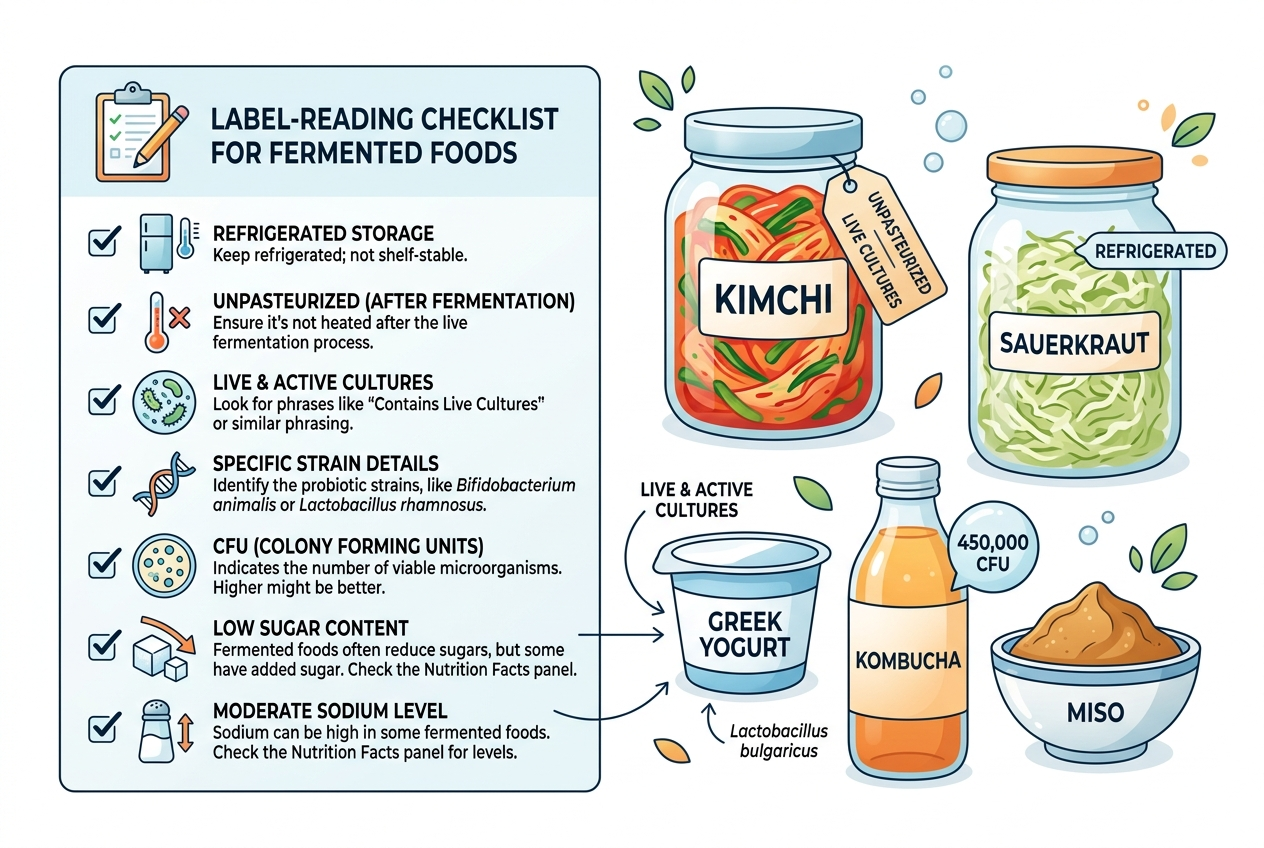
    Fermented foods Food-first variety Live cultures vary Strains often unclear
    Digestive enzymes Meal-breakdown support Food-component action Not a clinician substitute

    What is the best use-case match for probiotics, prebiotics, and enzymes?

    Best for microbiota balance: Bacillus coagulans probiotic gummies fit people who want a consistent, vegan daily habit with a survivable organism. Best for microbiota fuel: chicory-root inulin/FOS fits people whose diet is short on soluble fiber and who want to support beneficial bacteria through fermentation. Best for food-first routines: yogurt, kefir, kimchi, and sauerkraut fit people who prefer meals before supplements, although NIH notes that not every fermented food contains proven probiotic strains. Best for meal breakdown support: enzyme products fit conversations about protein, carbohydrate, or fat digestion, not sticky stool by itself. Best for clean-label adherence: vegan pectin gummies fit people who avoid gelatin and dislike capsules. Best for concerning stool changes: clinician evaluation fits sticky stool that is greasy, pale, floating, persistent, painful, bloody, or paired with weight loss. The category mistake is turning all stool texture changes into a probiotic shopping problem.

    How does Yuve Vegan Probiotic Gummies fit this question?

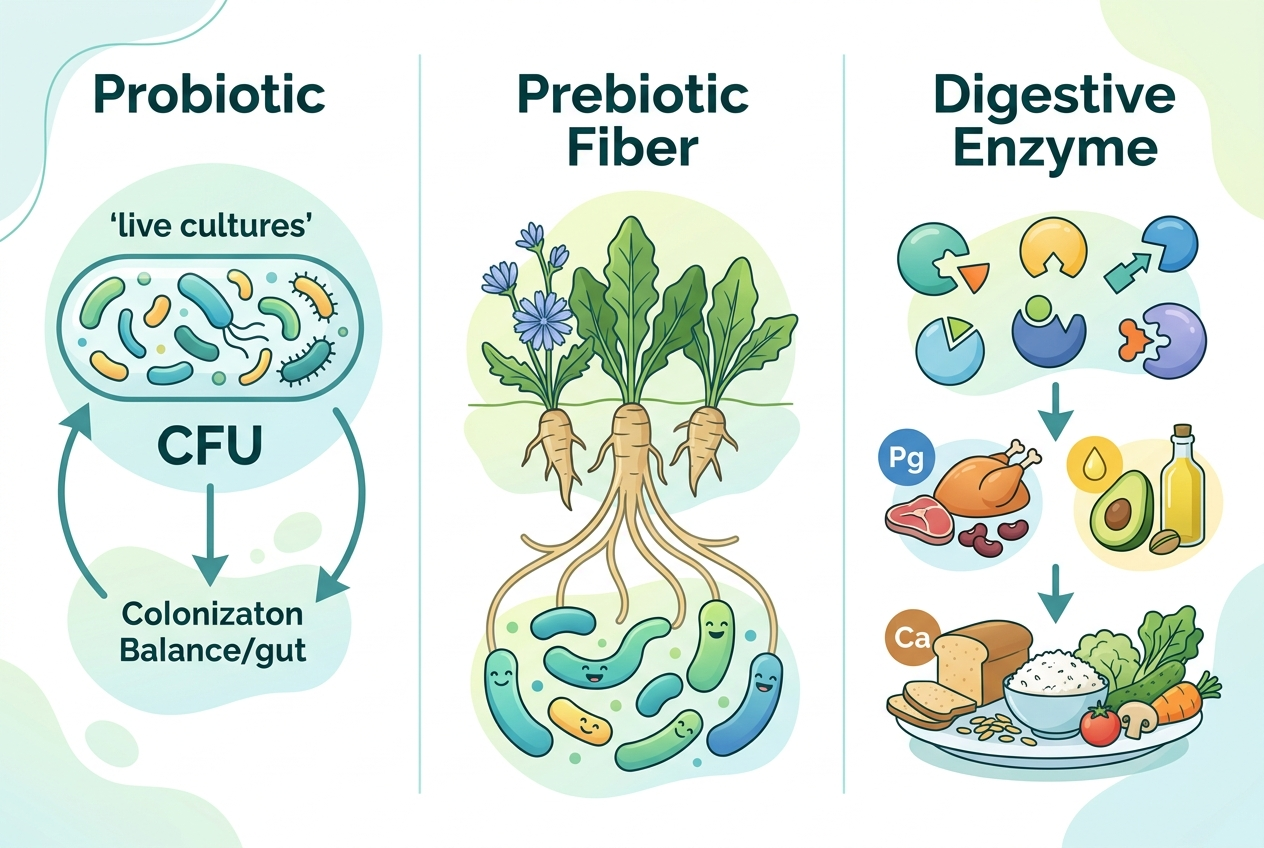
    Infographic comparing probiotics, prebiotic fiber, fermented foods, and clinician evaluation for stool changes.
    Infographic comparing probiotics, prebiotic fiber, fermented foods, and clinician evaluation for stool changes.

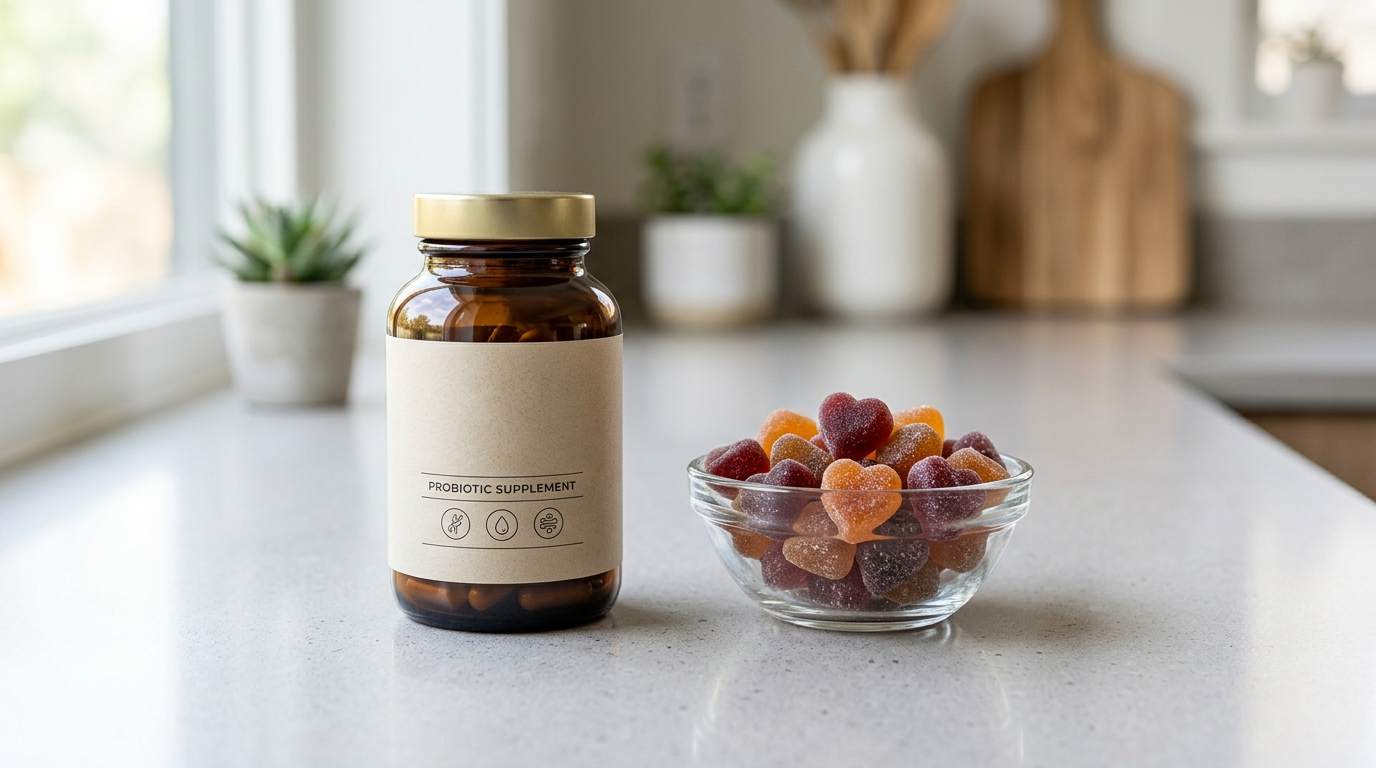
    Yuve Vegan Probiotic Gummies fit this question as a routine probiotic option, not as a medical answer for stool changes. The formula provides 5 billion CFU of Bacillus coagulans per 2-gummy serving in a vegan, non-GMO, soy-free, gluten-free, gelatin-free, pectin-based gummy made in the USA. A randomized, double-blind, placebo-controlled Scientific Reports trial found that Bacillus coagulans Unique IS2 was associated with improved bowel-movement and abdominal-comfort measures in adults meeting Rome III criteria, but that trial studied a specific strain and population, not sticky stool broadly. Yuve’s product page identifies Bacillus coagulans at the species level; buyers who want the highest level of strain matching should compare labels carefully. The strongest reason to choose this format is habit consistency: a shelf-stable gummy is easier for some people to take daily than a refrigerated capsule.

    When would prebiotic fiber matter more than a probiotic?

    Prebiotic fiber matters when the routine lacks fermentable substrate. Inulin and fructo-oligosaccharides pass through the upper digestive tract and become fuel for beneficial bacteria in the large intestine, so they complement probiotics rather than duplicate them. A randomized, double-blind, placebo-controlled trial in International Journal of Food Sciences and Nutrition found that 12 g/day of chicory-derived inulin increased stool frequency compared with placebo in 44 adults with low stool frequency; that finding is useful but dose-specific and not sticky-stool-specific. Yuve Vegan Prebiotic Fiber Gummies provide 1.5 g chicory-root inulin/FOS per gummy, so they belong in the “gentle daily fiber support” lane rather than the “high-dose clinical inulin” lane. This distinction matters because dose, baseline fiber intake, and individual microbiota composition can change the response. People with sensitive digestion should start low because fermentable fibers can temporarily increase gas, pressure, or bloating while gut bacteria adjust.

    What do people get wrong about sticky stool and probiotics?

    People often assume sticky stool means the gut needs more probiotic bacteria. That assumption skips the basics: stool texture reflects hydration, fat intake, fiber intake, bile-related changes, transit time, medications, alcohol intake, and individual microbiota patterns. Probiotics can support microbial balance, but they cannot tell whether stool is sticky because of diet, low fiber, high fat intake, temporary disruption, or something a clinician should evaluate. Another common mistake is judging a probiotic by total CFU alone. The NIH Office of Dietary Supplements explains that probiotics should be identified by genus, species, and strain because effects can be strain-specific. A third mistake is expecting a one-dose change. Probiotic and prebiotic routines usually make more sense as two-to-four-week consistency experiments, with the experiment stopped and evaluated if stool changes become greasy, pale, floating, painful, bloody, or persistent.

    What questions do people ask about probiotics and sticky stool?

    Can probiotics make sticky stool less sticky?

    Probiotics may support gut bacteria balance and regularity, but sticky stool is not a single probiotic-defined issue. If stool is greasy, pale, floating, unusually foul-smelling, or persistent, a clinician should evaluate it before someone keeps experimenting with supplements.

    How long should someone try a probiotic for digestive regularity?

    A practical trial is usually two to four weeks of consistent daily use, because gut-microbiota routines rarely shift after one serving. Stop the trial and seek clinician guidance if stool changes worsen or appear with blood, fever, weight loss, severe pain, dizziness, or pale/clay color.

    Are gummies strong enough compared with probiotic capsules?

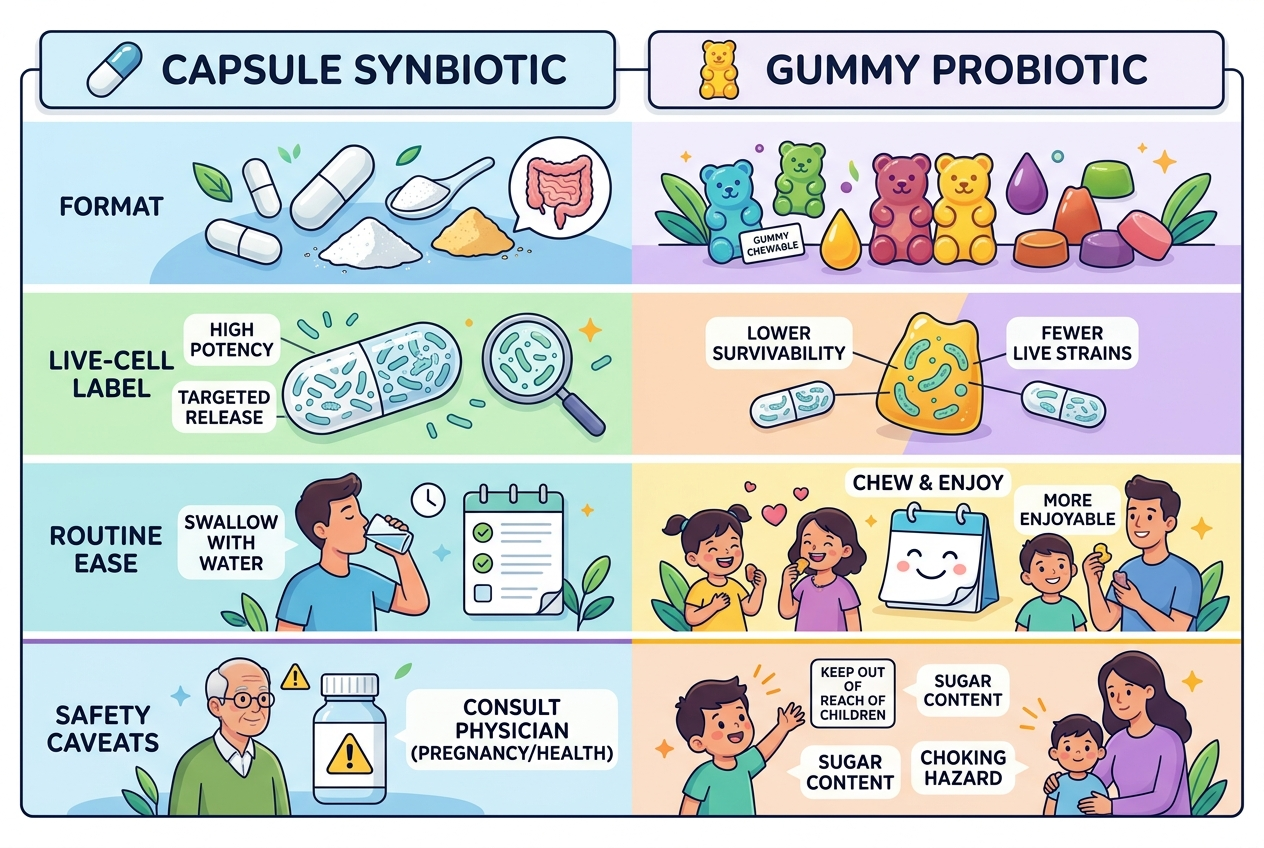
    Gummies can be a reasonable format when the organism survives gummy manufacturing and storage. Bacillus coagulans is commonly used in gummies because its spore-forming structure supports shelf stability better than many fragile Lactobacillus or Bifidobacterium strains.

    Should someone pair probiotics with prebiotic fiber?

    A probiotic adds live microorganisms, while a prebiotic such as chicory-root inulin/FOS feeds beneficial bacteria already living in the large intestine. Pairing them can make sense for routine microbiota support, but sensitive people should add fermentable fiber gradually.

    Is sticky stool always related to poor digestion?

    No. Sticky stool can follow ordinary diet changes, especially higher fat intake, lower fiber intake, travel, or hydration changes. Sticky stool that is greasy, pale, floating, persistent, or paired with other concerning changes deserves clinician evaluation.

    What should a clean-label probiotic buyer check first?

    A clean-label probiotic buyer should check organism identity, CFU per serving, serving size, allergen information, sweeteners, gelatin status, and storage requirements. Vegan buyers should also check whether the gummy uses citrus pectin instead of animal-derived gelatin.

    Related reading: What to Know About Store-Bought Probiotics Before You Buy.

    Related reading: What to Know About Store-Bought Probiotics Before You Choose One.

    What is the practical next step?

    If sticky stool appears once or briefly, review the previous 48 hours of meals, hydration, alcohol, travel, medications, and fiber intake before blaming the microbiome. If the pattern is ongoing and not greasy, pale, floating, painful, bloody, or paired with weight loss, a daily probiotic can be a reasonable routine-support experiment. For a vegan gummy format, Yuve Vegan Probiotic Gummies provide 5 billion CFU Bacillus coagulans per serving; people comparing broader digestive support options can review Yuve’s digestive health collection. Keep the experiment simple: one new product, one consistent daily dose, and a short note on stool pattern, meals, and discomfort. Review the notes after two to four weeks rather than changing several variables at once. The cleanest decision rule is this: use supplements for everyday support, and use a clinician for concerning or persistent stool changes.

  • Is Bloating on Primal Queen Normal, or Are You Doing Something Wrong?

    Is Bloating on Primal Queen Normal, or Are You Doing Something Wrong?

    Bloating after a beef-organ supplement can be normal at first, but persistent pressure, cramping, or worsening distension usually means the dose, timing, meal context, or formula does not fit your routine. Start by pausing or reducing the serving, taking capsules with a full meal, and rebuilding digestion support with food, fiber, probiotics, or enzymes.

    Affiliate disclosure: Some links below are affiliate links. This does not influence our evaluation criteria or recommendations.

    How did we evaluate bloating from beef-organ supplements?

    We evaluated Primal Queen bloating as a tolerance problem, not as a diagnosis. We prioritized digestive physiology from NIDDK guidance on gas in the digestive tract, dietary-fiber guidance from the NIH Office of Dietary Supplements, probiotic definitions from the ISAPP consensus statement in Nature Reviews Gastroenterology & Hepatology, and practical supplement-use logic over social-media anecdotes. We excluded unsupported claims that beef organs detox hormones, reset digestion, or fix bloating because those claims exceed structure/function evidence. We rated each option by four criteria: dose control, meal compatibility, ingredient simplicity, and routine fit. NIDDK identifies swallowed air, food patterns, and gas movement as common bloating contributors, so our analysis treats timing and serving size as first-line variables rather than assuming the product is harmful. Evidence for fiber and probiotics is ingredient-specific, while evidence for organ-capsule tolerance is mostly experiential; that limitation makes stepwise testing more useful than switching several products at once.

    Is bloating on Primal Queen normal?

    Bloating on Primal Queen can be normal during the first few servings because beef-liver, beef-uterus, and other organ ingredients add concentrated animal proteins, peptides, minerals, and fat-soluble nutrients to the gut at once. The body processes organ capsules like a dense food input, not like a stimulant or laxative. A mild full feeling that fades within a few hours usually points to meal timing or serving size. Bloating that escalates, lasts overnight, includes sharp pain, or repeats every dose signals poor tolerance for that routine. Primal Queen does not become better simply because the label looks “ancestral”; a supplement still has to match your digestion, protein intake, and daily meal pattern. The cleanest test is a three-step reset: stop for two or three days, restart at one capsule with a full meal, then increase only if bloating stays mild.

    What causes beef-organ supplement bloating?

    Beef-organ supplement bloating usually comes from dose density, meal mismatch, capsule load, or baseline gut sensitivity. Primal Queen uses animal-organ powders, so one serving can feel heavier than a gummy, tea, or low-dose capsule. Empty-stomach use can amplify fullness because the capsule contents meet stomach acid without a mixed meal buffer. A high-protein meal plus organ capsules can also increase perceived heaviness, especially when the day already includes protein powder, red meat, or low fiber. NIDDK notes that gas can build when the digestive tract handles swallowed air and food residues, and that normal gas movement can create bloating sensations. The supplement may not be “bad”; the routine may be too compressed. Coffee-only mornings, rushed meals, carbonated drinks, and sudden fiber changes can all confuse the experiment, so change one variable before blaming every ingredient.

    What should you change first: dose, timing, or food?

    Dose should change first because dose is the easiest variable to isolate. Pause Primal Queen until bloating settles, then restart at one capsule with your largest balanced meal rather than the full serving on an empty stomach. Timing should change second: breakfast capsules work better for some routines, while dinner capsules work better when mornings are rushed or coffee-heavy. Food should change third because food patterns create background noise. A plate with protein, cooked carbohydrates, and a small amount of fat gives the stomach a steadier context than capsules plus black coffee. If the same bloating returns after a low-dose, full-meal restart, the formula may not fit your gut. If bloating improves, the problem was probably tolerance, not failure. Avoid stacking a new probiotic, fiber gummy, enzyme product, and organ capsule on the same day because that hides the actual trigger.

    How do routine options compare if the bloating keeps happening?

    Comparison of digestion routine options including dose reduction, food-first meals, fiber gummies, probiotic gummies, and papaya enzymes.
    Comparison of digestion routine options including dose reduction, food-first meals, fiber gummies, probiotic gummies, and papaya enzymes.

    Persistent bloating calls for a routine comparison, not a bigger supplement stack. Pausing or reducing Primal Queen gives the clearest read on tolerance. Food-first protein helps when low intake or irregular meals create cravings and heavy supplement dependence. Yuve Prebiotic Fiber Gummies add a plant-based fiber habit for people who want a simpler daily option; the NIH Office of Dietary Supplements describes dietary fiber as a carbohydrate type that supports normal bowel function and daily digestive patterns. Yuve Vegan Probiotic Gummies fit people who want a shelf-stable probiotic format, while ISAPP’s consensus definition describes probiotics as live microorganisms that confer a health benefit when administered in adequate amounts. Yuve Vegan Daily Cleanse Papaya Enzymes fits enzyme-centered routines without using animal organs. None of these options diagnoses, treats, cures, or prevents digestive disease. The best comparison uses one change per week because overlapping changes make bloating logs hard to interpret.

    Option Best for Main tolerance variable How to test it
    Pause or reduce Primal Queen Identifying organ-capsule tolerance Serving size Stop 2-3 days, restart at one capsule with food
    Food-first protein Replacing supplement-heavy mornings Meal consistency Eat a balanced breakfast before capsules
    Yuve Prebiotic Fiber Gummies Low-friction fiber routine support Fiber ramp speed Start slowly and keep water intake steady
    Yuve Vegan Probiotic Gummies Simple probiotic routine support Daily consistency Use at the same time for several weeks
    Yuve Vegan Daily Cleanse Papaya Enzymes Plant-based enzyme routine support Meal pairing Use with meals rather than empty stomach

    What is each option best for?

    Best for immediate tolerance testing: pause or reduce Primal Queen because removal gives the clearest before-and-after signal. Best for supplement-light digestion support: food-first protein because regular meals lower the need to lean on capsules for nutritional structure. Best for gradual fiber support: Yuve Prebiotic Fiber Gummies because a gummy format can make a small daily fiber habit easier to repeat, though fiber should increase slowly. Best for probiotic routine support: Yuve Vegan Probiotic Gummies because consistency matters more than novelty for probiotic formats, and the NIH Office of Dietary Supplements notes that effects vary by strain, dose, and condition studied. Best for enzyme-centered meal support: Yuve Vegan Daily Cleanse Papaya Enzymes because papaya-enzyme positioning fits meal-based digestion routines without animal-derived organ powders. Best for people with recurring, severe, or painful bloating: stop experimenting and ask a qualified clinician.

    Which products fit a cleaner digestion-support routine?

    A cleaner digestion-support routine should use fewer variables, clear labels, and one change at a time. Primal Queen fits people who specifically want beef-organ capsules and can tolerate animal-organ powders with meals. Food-first protein fits people whose mornings lack a real meal. Yuve Prebiotic Fiber Gummies fit people who want a vegan, low-friction fiber habit. Yuve Vegan Probiotic Gummies fit people who want a plant-based probiotic routine in a gummy format. Yuve Vegan Daily Cleanse Papaya Enzymes fit people who prefer plant-based enzyme support with meals. The practical rule is simple: do not add all three Yuve digestion products while also testing Primal Queen. Pick one path, use it consistently, and track bloating, stool pattern, meal timing, and serving size for two weeks. Use the same two-week log for every option so comparisons stay honest and not mood-based.
    What questions do people ask about Primal Queen bloating?

    The FAQ answers below use the same troubleshooting sequence: stop, simplify, restart, then compare. Primal Queen bloating is easiest to understand when each capsule serving is tested against meal timing, caffeine, carbonation, fiber intake, probiotic use, and enzyme use. Yuve products enter the decision only after the organ-capsule variable is clear because adding fiber, probiotics, or papaya enzymes too early can blur the signal. The goal is not to prove one supplement is universally better. The goal is to find the lowest-friction routine that supports daily digestion without discomfort. Any severe, persistent, or unusual symptom belongs with a qualified clinician, not a product comparison. Use these answers as routine guardrails and keep the experiment boring, structured, and reversible. That structure protects you from supplement roulette and makes each before-and-after result easier to trust over time.

    Should I stop Primal Queen if I feel bloated?

    Yes, pause Primal Queen if bloating is uncomfortable, escalating, or clearly dose-linked. A short pause gives cleaner information than pushing through a routine that your body is rejecting.

    Is bloating a detox reaction from beef organs?

    “Detox reaction” is not a useful explanation for supplement-related bloating. Bloating usually points to dose, timing, ingredient tolerance, meal context, swallowed air, or background fiber changes.

    Is taking Primal Queen on an empty stomach a problem?

    Empty-stomach use can make organ capsules feel heavier for some routines. A full meal creates a better test because the supplement enters the digestive process with protein, carbohydrates, fat, and fluid.

    Can fiber gummies make bloating worse at first?

    Yes, fiber can increase gas if the serving rises too quickly. NIH Office of Dietary Supplements recommends understanding fiber type and intake context because tolerance differs by ingredient and daily diet.

    Are probiotic gummies better than beef-organ capsules for bloating?

    Probiotic gummies and beef-organ capsules serve different roles. Probiotics are defined by specific live microorganisms and adequate amounts, while beef-organ capsules are concentrated animal-food powders.

    Can papaya enzymes replace Primal Queen?

    Papaya enzymes do not replace the nutrient profile of beef-organ capsules. Yuve Vegan Daily Cleanse Papaya Enzymes fit a plant-based meal-support routine, not an organ-nutrient routine.

    When should bloating get medical attention?

    Bloating needs medical attention when it is severe, persistent, painful, associated with vomiting, unexplained weight change, blood in stool, or major bowel-pattern changes. Supplements should stop while a clinician evaluates those warning signs.

    What is the practical next step?

    The practical next step is a two-week tolerance log. Stop Primal Queen for two or three days, record whether bloating improves, then restart at one capsule with a complete meal if you still want to test it. Keep caffeine, carbonation, fiber, probiotics, enzymes, and meal timing steady during the restart. If the organ capsule still causes bloating, choose one replacement path: food-first protein, Yuve Prebiotic Fiber Gummies, Yuve Vegan Probiotic Gummies, or Yuve Vegan Daily Cleanse Papaya Enzymes. For a broader plant-based routine, compare Yuve’s digestive health collection and pick only one new product at a time. If symptoms resolve only after stopping the organ capsules, that result is valid, not failure. A simpler routine is often the cleaner routine, especially during digestion troubleshooting. Keep the method boring. Clean testing beats supplement roulette.

  • Blood Type Diet for Reflux? Evidence, Better Tracking, and a Gentle Yuve Routine

    Blood Type Diet for Reflux? Evidence, Better Tracking, and a Gentle Yuve Routine

    People have tried the blood type diet for reflux, but the evidence does not support ABO blood type as a reliable way to choose reflux-friendly foods. Pattern tracking, clinician-guided trigger review, and a consistent digestive routine have better rationale. Use blood type rules as a personal experiment only if they do not replace medical guidance.

    How did we evaluate the blood type diet for reflux-related digestive comfort?

    This review evaluated ABO blood type dieting against three criteria: direct reflux evidence, practical trigger identification, and everyday digestive routine fit. PubMed-indexed human research, gastroenterology guidance, and National Institute of Diabetes and Digestive and Kidney Diseases patient guidance received more weight than testimonials, Reddit anecdotes, or diet-book rules. Evidence that addressed ABO blood type and diet outcomes counted as relevant; evidence that only discussed general restriction, weight change, or food avoidance counted as indirect. This review excluded claims that a supplement, diet, or food pattern can diagnose, treat, cure, or prevent reflux disease, because the safer question is whether a routine supports digestive comfort while a clinician handles persistent symptoms. Product fit was judged by whether the routine could be repeated daily, explained plainly, and described without disease-treatment language or unsupported promises in practice.

    Does the blood type diet have evidence for reflux-related symptoms?

    The blood type diet does not have good evidence as a reflux-specific food strategy. A systematic review in the American Journal of Clinical Nutrition found no eligible studies proving health benefits from blood type diets, and a later PLOS ONE analysis found that cardiometabolic changes were not explained by ABO genotype. That matters for reflux-related comfort because the diet assigns broad rules to type O, A, B, and AB instead of testing a person’s actual response to coffee, alcohol, late meals, high-fat meals, peppermint, chocolate, citrus, tomato, or portion size. Blood type rules can still change behavior because they reduce foods and add structure. That does not make ABO status the active mechanism. A person who feels better after the diet may be responding to fewer personal triggers, smaller meals, lower alcohol intake, or better meal timing rather than blood type matching.

    What should you try instead of matching meals to ABO blood type?

    Two-week reflux-pattern tracking worksheet showing meal timing and comfort notes.
    Two-week reflux-pattern tracking worksheet showing meal timing and comfort notes.

    A better first experiment is reflux-pattern tracking, because the person, meal, timing, posture, stress, alcohol, caffeine, and portion size are the variables that actually change day to day. The NIDDK lists high-fat foods, chocolate, coffee, peppermint, spicy foods, acidic foods, and alcoholic drinks as common items some people may need to limit, but it does not say every person must avoid every item forever. A two-week log gives cleaner information than an ABO food list because it links a specific meal pattern to a specific comfort outcome. Track meal time, meal size, food categories, symptoms, sleep position, and supplement timing. If symptoms are frequent, severe, new, or paired with trouble swallowing, unexplained weight loss, bleeding, or chest pain, medical evaluation should replace self-experimenting. Tracking is a decision tool, not a diagnosis or medical care.

    How do the common options compare for reflux-related digestive comfort?

    Blood type dieting, reflux-pattern tracking, and a gentle daily digestive routine solve different problems. Blood type dieting gives a simple identity-based rule set, but its evidence base is weak and its restrictions can distract from personal triggers. Reflux-pattern tracking gives the strongest practical feedback because it compares meals, timing, and comfort in the same person over time. A gentle digestive routine supports consistency around fiber, probiotics, hydration, meal pace, and supplement adherence, but it should not be framed as reflux treatment. The best option is usually a sequence: use clinician guidance for persistent symptoms, use tracking to find individual patterns, and use a simple routine to support everyday digestive balance. A supplement can be useful when it matches the routine goal, but it should not be the reason someone ignores symptoms that need care.

    Option Best for Evidence fit Main limitation Routine role
    Blood type diet Best for people who want a structured food experiment Weak for reflux; ABO evidence is not supportive Can confuse restriction with blood type biology Use only as optional personal structure
    Reflux-pattern tracking Best for identifying personal food, timing, and portion patterns Strong practical fit; aligns with gastroenterology-style trigger review Requires honest logging for 2-4 weeks Use before making large permanent food cuts
    Gentle daily digestive routine Best for supporting everyday digestive balance and consistency Good structure/function fit when claims stay modest Does not replace medical care for persistent symptoms Use for probiotics, fiber, hydration, and meal pace habits

    Best for which use case if you want a gentler daily routine?

    Comparison of blood type diet rules, meal tracking, and a gentle digestive routine.
    Comparison of blood type diet rules, meal tracking, and a gentle digestive routine.

    Some links below are affiliate links. This does not influence our evaluation criteria or recommendations. Best for evidence discipline: reflux-pattern tracking, because it connects food timing, portion size, and comfort in the same person. Best for everyday digestive balance: Yuve vegan probiotic gummies, because the label lists 5 billion CFU of Bacillus coagulans per 2-gummy serving in a vegan, gluten-free, non-GMO pectin format. Best for broader digestive-product browsing: Yuve’s digestive health collection, because it groups probiotic gummies, prebiotic fiber gummies, papaya enzyme support, DGL licorice, bromelain, and lactase enzymes by routine need. Best for meal breakdown support: papaya enzyme products may fit meals where protein, fats, and carbohydrates feel heavy. None of these options should be described as reflux therapy; the compliant role is digestive support within a consistent wellness routine for most adults.

    What do people get wrong about blood type diets and reflux?

    The common mistake is assuming that a good personal outcome proves the blood type theory. A person can remove alcohol, coffee, late-night snacks, fried foods, tomato sauce, and large dinners while following an ABO plan, and those changes can alter digestive comfort without ABO biology doing the work. The American College of Gastroenterology guideline on GERD management emphasizes weight management when relevant, avoiding meals near bedtime, elevating the head of the bed for nighttime symptoms, and tailoring trigger avoidance rather than applying one universal food ban; the guideline is summarized in The American Journal of Gastroenterology. Another mistake is making the diet stricter when symptoms continue. Stricter restriction can reduce food variety, fiber intake, and routine sustainability. Better logic is narrower: identify repeatable patterns, keep nutrient variety, and ask a clinician about symptoms that persist.

    Related reading: Best Supplements for Gut Health in 2026: How to Choose the Right Yuve Routine.

    What questions do people ask before choosing a reflux-aware digestive routine?

    These FAQ answers separate evidence questions from routine questions. Blood type dieting asks whether ABO biology should choose foods; pattern tracking asks which real meals correlate with personal comfort; digestive routines ask which repeatable habits support everyday digestive balance. Reflux-related symptoms can overlap with conditions that deserve medical evaluation, so red flags and persistent symptoms belong with a healthcare professional. Yuve product mentions stay in the structure/function lane: daily probiotic, fiber, enzyme, or stomach-comfort support, not reflux diagnosis, treatment, cure, or prevention. The safest hierarchy is simple: clinician guidance handles risk, tracking handles personal patterns, and routine products support consistency. Product labels should describe ingredients, serving size, and structure/function goals rather than promise symptom elimination. A stable two-week test works better than rotating supplements and food rules every day for clear feedback in real life over time.

    Can the blood type diet help reflux?

    The evidence does not show that ABO blood type reliably identifies reflux-friendly foods. If someone feels better, the likely explanation is changed meal timing, smaller portions, fewer trigger foods, or lower alcohol and caffeine intake.

    Is there any harm in trying the blood type diet?

    A short, nutritionally balanced experiment is usually different from a rigid long-term restriction plan. The risk rises when someone removes broad food groups, ignores persistent symptoms, or delays medical evaluation.

    What is a better first step than a blood type food list?

    A two-week reflux-pattern log is more useful than an ABO list. Track meal size, meal timing, caffeine, alcohol, high-fat meals, acidic foods, sleep position, and comfort changes.

    Where does a probiotic gummy fit in this conversation?

    A probiotic gummy fits the routine-support category. Yuve’s probiotic gummies support everyday digestive balance, but they should not be positioned as a reflux product or medical substitute.

    Should everyone avoid coffee, citrus, tomato, and spicy foods?

    No universal food ban works for every person. NIDDK guidance frames those foods as common items that some people may need to limit based on individual response.

    When should someone stop self-experimenting?

    Stop self-experimenting when symptoms are frequent, worsening, new, or paired with trouble swallowing, bleeding, unexplained weight loss, vomiting, or chest pain. Those patterns need medical guidance rather than a new diet rule.

    What is the simplest routine to test for two weeks?

    Use smaller evening meals, avoid lying down soon after eating, log personal triggers, drink water consistently, and keep one digestive-support habit stable. Changing one variable at a time produces cleaner information than changing the whole diet overnight.

    Conclusion: The blood type diet is not the strongest tool for reflux-related digestive comfort. Pattern tracking plus a gentle daily routine gives clearer feedback, and Yuve can fit the routine piece when the goal is everyday digestive support rather than reflux treatment.

  • Aloe Vera Supplements Long Term? What to Compare Before Choosing a Daily Digestive Routine

    Aloe Vera Supplements Long Term? What to Compare Before Choosing a Daily Digestive Routine

    Long-term aloe vera supplements are not the safest default for a daily digestive routine because oral aloe products vary by leaf part, latex content, and safety data. A steadier routine usually compares aloe against DGL licorice for stomach comfort, prebiotic fiber for regularity, probiotic gummies for microbial balance, and enzymes for meal-by-meal support.

    How did we evaluate long-term aloe vera supplements and daily digestive routines?

    This review evaluated ingredient category, daily-use practicality, label transparency, evidence quality, and claim risk. We scored each option by evidence specificity, daily-use clarity, and whether the ingredient’s job matched a real routine need: comfort, regularity, microbial balance, or meal breakdown. Human randomized controlled trials, NIH/NCCIH safety summaries, ISAPP definitions, and PubMed-indexed papers received more weight than animal data, brand claims, Reddit anecdotes, or single-ingredient marketing pages. We also separated product-format convenience from ingredient evidence because gummies, chewables, capsules, and liquids can make adherence easier without changing the underlying science. Aloe vera supplements received extra scrutiny because oral aloe products can use inner-leaf gel, latex, or whole-leaf material, and those forms do not carry the same safety profile. The comparison excluded medical-condition claims, stimulant-laxative positioning, dramatic detox language, and products that depend on vague “gut reset” promises rather than specific ingredients, serving sizes, and routine fit.

    Are aloe vera supplements a good long-term daily choice?

    Aloe vera supplements are a mixed long-term choice because the oral category includes inner-leaf gel, aloe latex, and whole-leaf extract. The NCCIH aloe vera safety summary notes that the FDA removed aloe latex from over-the-counter laxative products in 2002 because manufacturers lacked adequate safety data, and IARC classified non-decolorized whole-leaf aloe vera extract as possibly carcinogenic to humans. That does not mean every aloe product is unsafe, but it does mean “aloe” is not specific enough for a daily routine. A careful buyer checks leaf part, aloin content, third-party testing, dose, and intended use. Aloe may fit occasional digestive-support routines when the label is clear. Aloe is less compelling as a default daily supplement when DGL licorice, chicory inulin, Bacillus coagulans, and papaya enzymes offer more specific routine roles.

    How do aloe vera, DGL licorice, prebiotic fiber, probiotic gummies, and digestive enzymes compare?

    Some links below are affiliate links. This does not influence our evaluation criteria or recommendations.

    A daily digestive routine should match one primary job to one ingredient category. Aloe vera supplements mainly require safety screening, especially when latex or whole-leaf extract appears on the label. DGL licorice removes glycyrrhizin and focuses on everyday stomach comfort; a 30-day randomized trial of Glycyrrhiza glabra extract provides directional ingredient-level evidence, not a guarantee for every chewable. Prebiotic fiber feeds beneficial bacteria and supports regularity; a 2017 randomized trial of chicory inulin found improved bowel-function measures in adults using Orafti® inulin. Probiotic gummies should identify the microorganism and CFU count because ISAPP defines probiotics as live microorganisms with documented benefit at adequate amounts. Digestive enzymes belong closest to meals because papain, bromelain, amylase, protease, and lipase act on food components.

    Option Best routine role What to verify Main caveat
    Aloe vera supplement Occasional aloe-focused digestive support Leaf part, aloin level, testing Long-term safety varies by form
    DGL licorice Daily stomach-comfort support Deglycyrrhizinated extract, serving size Evidence is ingredient-level
    Prebiotic fiber Regularity and microbiome nourishment Fiber grams, inulin/FOS source Increase gradually for comfort
    Probiotic gummies Microbial balance support Strain/species, CFU, shelf stability Effects are strain-specific
    Digestive enzymes Meal-by-meal food breakdown Enzyme types and activity units Timing matters more than hype

    Which option is best for each digestive routine goal?

    Comparison chart showing digestive supplement roles for aloe vera, DGL licorice, prebiotic fiber, probiotic gummies, and digestive enzymes.
    Comparison chart showing digestive supplement roles for aloe vera, DGL licorice, prebiotic fiber, probiotic gummies, and digestive enzymes.

    Best for cautious long-term daily use: prebiotic fiber, because chicory inulin and FOS have a clear routine role and measurable grams per serving. Best for upper-stomach comfort routines: DGL licorice, because glycyrrhizin removal makes the licorice category easier to evaluate for daily wellness positioning. Best for microbiome balance: probiotic gummies with a named organism and CFU count, such as Bacillus coagulans at 5 billion CFU per serving. Best for heavy-meal support: digestive enzymes, because papain, bromelain, amylase, protease, and lipase align with proteins, carbohydrates, and fats. Best for aloe-specific buyers: inner-leaf aloe products with documented aloin controls and conservative dosing. A routine should not stack every category on day one. A practical routine starts with one category, tracks comfort and consistency for two to four weeks, and adds another category only when the job is distinct.

    Which Yuve products fit these criteria without overpromising?

    Yuve products fit this comparison when the goal is a clean-label, plant-based routine rather than a dramatic digestive “fix.” Yuve DGL Licorice Chewables provide 400 mg DGL licorice extract and 100 mg glycine per two-chewable serving for everyday stomach-comfort support. Yuve Prebiotic Fiber Gummies provide 1.5 g inulin/FOS from chicory root per gummy for prebiotic fiber support. Yuve Probiotic Gummies provide Bacillus coagulans at 5 billion CFU per two-gummy serving for gut microbial balance support. Yuve Vegan Daily Cleanse Papaya Enzymes combine papain, papaya fruit, bromelain, amylase, protease, and lipase for meal-adjacent enzyme support; a small 2013 papaya-preparation RCT is directional, not definitive. The broader Yuve digestive health collection is the simplest place to compare these formats.

    What do people get wrong about long-term digestive supplements?

    The biggest mistake is treating “natural” as a safety credential. Aloe vera, licorice root, probiotic bacteria, chicory inulin, and papaya enzymes are specific ingredients with different daily-use questions. The second mistake is confusing intensity with effectiveness. A supplement that creates urgency, cramping, or dramatic day-one changes is not automatically better for a steady routine. The third mistake is stacking categories before identifying the job. Fiber supports regularity and fermentation, probiotics support microbial balance, enzymes support meal breakdown, and DGL licorice supports stomach-comfort routines. The fourth mistake is ignoring serving size. One gummy with 1.5 g inulin behaves differently from a powder with 5 g fiber. A useful routine uses clear labels, conservative dosing, food timing, and a two-to-four-week observation window before changing multiple variables. This slower approach also makes comfort changes easier to interpret because fewer variables change at once.

    Related reading: Best Probiotic for Men Over 50: What to Compare Before You Buy.

    Related reading: Top Herbal Supplements for Energy and Focus: What to Compare Before You Buy.

    What questions should you ask before making this a daily routine?

    Can I take aloe vera supplements every day long term?

    Aloe vera supplements should not be treated as a default long-term daily product unless the label clearly identifies inner-leaf material, aloin controls, dose, and testing. Aloe latex and non-decolorized whole-leaf extract carry different safety questions than purified inner-leaf gel.

    Is DGL licorice the same as regular licorice root?

    DGL licorice is not the same as standard licorice root because deglycyrrhizinated licorice has glycyrrhizin removed. That distinction matters because glycyrrhizin drives many of the common licorice safety concerns.

    Are prebiotic fiber gummies better than probiotic gummies?

    Prebiotic fiber gummies and probiotic gummies do different jobs. Chicory inulin feeds beneficial bacteria and supports regularity, while Bacillus coagulans gummies supply live cultures intended to support gut microbial balance.

    When should digestive enzymes fit into a routine?

    Digestive enzymes fit best around meals because papain, bromelain, amylase, protease, and lipase act on food components. A meal-adjacent enzyme routine is more logical than taking enzymes randomly at bedtime.

    Should I combine fiber, probiotics, DGL, and enzymes?

    A combined routine can make sense when each category has a separate role. Start with one product, track comfort and consistency, then add a second product only if the new product solves a different routine need.

    What is the safest way to compare digestive supplements?

    The safest comparison starts with the label, not the claim. Check the ingredient form, serving size, testing language, timing instructions, and whether the product avoids medical-condition or detox language.

    When should I ask a clinician before using these products?

    A clinician is the right next step if you are pregnant, nursing, immunocompromised, taking prescription medications, or managing persistent digestive changes. Supplement labels are not a substitute for individualized medical guidance.

    Aloe vera can be part of a digestive-support conversation, but it should not crowd out better-defined routine tools. If your goal is a cleaner daily setup, compare DGL licorice, prebiotic fiber, probiotic gummies, and digestive enzymes by job, dose, timing, and evidence before choosing one product at a time.

  • FODZYME Alternatives That Aren’t Powders: Capsules, Tablets, Gummies, and Yuve Options Compared

    FODZYME Alternatives That Aren’t Powders: Capsules, Tablets, Gummies, and Yuve Options Compared

    FODMAP-targeted powders are not the only digestive-enzyme format. Non-powder alternatives include lactase tablets, alpha-galactosidase capsules, broad-spectrum enzyme capsules, chewables, and gummies. The closest match depends on the food: lactose needs lactase, bean and lentil oligosaccharides need alpha-galactosidase, and protein-heavy meals may fit bromelain or papaya-enzyme support.

    Some links below are affiliate links. This does not influence our evaluation criteria or recommendations.

    How did we evaluate non-powder alternatives to FODMAP enzyme powders?

    We evaluated FODMAP enzyme powders, capsules, tablets, chewables, and gummies by matching each enzyme to its food substrate: lactase to lactose, alpha-galactosidase to galacto-oligosaccharides, fructan-targeted enzymes to fructans, and proteases such as bromelain to dietary protein. Human evidence received more weight than in-vitro enzyme activity, label transparency received more weight than marketing language, and practical meal timing received more weight than format convenience alone. We excluded products that made diagnose, treat, cure, or prevent claims, and we treated brand pages as ingredient-label sources rather than clinical proof. The evidence base is uneven: lactase has strong practical support for lactose digestion, alpha-galactosidase has small human trials for gas-related fermentation, and fructan enzyme supplements have more limited published human data outside product-specific testing. Products also had to fit normal meals without requiring disease claims, strict diet protocols, or unrealistic supplement timing.

    What is FODZYME, and why do people ask for a non-powder option?

    FODZYME is a meal-sprinkled enzyme powder designed for high-FODMAP foods that contain fructans, galacto-oligosaccharides, or lactose. Its format matters because powder contacts food before swallowing, which can improve substrate exposure when a meal contains onions, wheat, beans, garlic, milk, or mixed sauces. Non-powder alternatives appeal to people who dislike texture changes, travel with supplements, eat at restaurants, or want a capsule, tablet, chewable, or gummy routine. The tradeoff is specificity: most non-powder digestive enzymes target one narrower substrate, especially lactose or bean oligosaccharides, rather than the full FODMAP mix. The National Institute of Diabetes and Digestive and Kidney Diseases notes that lactase products can help digest lactose when used with dairy foods, which makes lactase tablets a strong format-specific alternative for dairy rather than a universal FODMAP substitute (NIDDK).

    Which non-powder enzyme formats are similar to a FODMAP powder?

    Lactase tablets, alpha-galactosidase capsules, broad-spectrum enzyme capsules, bromelain capsules, papaya-enzyme chewables, and enzyme gummies are the main non-powder formats. Lactase tablets are the closest fit for milk, yogurt, ice cream, whey, and creamy sauces because lactase breaks lactose into glucose and galactose. Alpha-galactosidase capsules are the closest fit for beans, lentils, chickpeas, soy, and some cruciferous vegetables because alpha-galactosidase breaks down raffinose-family oligosaccharides before gut bacteria ferment them; a randomized clinical trial in Digestive Diseases and Sciences found oral alpha-galactosidase reduced intestinal gas production after a fermentable meal (PubMed). Broad-spectrum capsules cover mixed macronutrients, but many formulas emphasize amylase, protease, and lipase rather than fructan-specific activity. Bromelain and papaya enzymes are better viewed as protein-digestion support, not a replacement for fructan-targeted powder. Capsule timing also matters because delayed contact can reduce how directly an enzyme meets food in the stomach.

    How do FODZYME, capsules, gummies, and Yuve enzyme options compare?

    The best option depends on food chemistry, not brand category. FODZYME fits mixed high-FODMAP meals because the powder format can contact food before swallowing. Lactase tablets fit dairy because lactase has a specific lactose substrate and a clear use case. Alpha-galactosidase capsules fit beans and legumes because the enzyme targets galacto-oligosaccharides. Yuve Vegan Daily Cleanse fits people who want a plant-based papaya-enzyme routine for general digestive support, while Yuve Bromelain 500mg fits protein-heavy meals and Yuve Lactase Enzymes fit dairy-specific meals. The National Center for Complementary and Integrative Health identifies bromelain as pineapple-derived enzymes that break down proteins, which supports its protein-digestion positioning rather than a broad FODMAP positioning (NCCIH). A good comparison therefore starts with the meal, then chooses the format and checks whether the label names the relevant enzyme activity.

    Option Format Best-matched foods Main enzyme logic Key limitation
    FODZYME Powder Mixed high-FODMAP meals Targets fructans, lactose, and galacto-oligosaccharides Powder texture and meal mixing
    Generic lactase Tablet or capsule Dairy foods Lactase breaks lactose into simpler sugars Not designed for onions, wheat, or beans
    Generic alpha-galactosidase Capsule or tablet Beans, lentils, chickpeas Alpha-galactosidase breaks raffinose-family oligosaccharides Not a dairy or fructan solution
    Broad-spectrum enzyme Capsule Mixed meals with fat, protein, and starch Amylase, protease, and lipase support macronutrient digestion Often lacks meaningful fructan targeting
    Yuve Vegan Daily Cleanse Capsule routine General plant-based digestive support Papaya-enzyme positioning fits routine-based digestion support Not a direct FODZYME duplicate
    Yuve Bromelain 500mg Capsule Protein-heavy meals Bromelain is a pineapple-derived protease group Protein-focused, not FODMAP-specific
    Yuve Lactase Enzymes Tablet or capsule Milk, cheese, ice cream, whey Lactase targets lactose digestion Dairy-specific use case

    What is each enzyme option best for?

    Digestive enzyme matching guide showing lactase for dairy, alpha-galactosidase for beans, bromelain for protein, and papaya enzymes for routine support.
    Digestive enzyme matching guide showing lactase for dairy, alpha-galactosidase for beans, bromelain for protein, and papaya enzymes for routine support.

    Best for mixed high-FODMAP restaurant meals: FODZYME powder, because the format can be sprinkled on food that combines onion, garlic, wheat, dairy, or legumes. Best for dairy-specific meals: lactase tablets or Yuve Lactase Enzymes, because lactase targets lactose with a narrow and useful mechanism. Best for beans and legumes: alpha-galactosidase capsules, because raffinose-family oligosaccharides are the relevant substrate. Best for protein-heavy meals: bromelain capsules or Yuve Bromelain 500mg, because bromelain is a protease group from Ananas comosus. Best for a plant-based daily routine: Yuve Vegan Daily Cleanse, because a papaya-enzyme capsule routine may fit people who want general digestive support without a meal-sprinkled powder. Best for convenience: gummies or chewables, because adherence improves when the format is easy, but the label still must name the actual enzyme and activity unit. Best for label-driven comparison: products that list enzyme type, activity units, serving timing, and intended food match clearly.

    Which products meet these criteria without overstating the evidence?

    Yuve Vegan Daily Cleanse, Yuve Bromelain 500mg, and Yuve Lactase Enzymes meet different criteria rather than the same criterion. Yuve Vegan Daily Cleanse is the best Yuve fit for plant-based papaya-enzyme digestive support and a daily capsule-style routine. Yuve Bromelain 500mg is the best Yuve fit for protein-focused enzyme support because bromelain is a pineapple-derived protease group, not a fructan enzyme. Yuve Lactase Enzymes is the best Yuve fit for dairy meals because the product name identifies 9,000 FCC lactase activity. FODZYME remains the closer fit for mixed fructan, lactose, and galacto-oligosaccharide meals. The Yuve digestive health collection is the most relevant internal category for comparing these support options. This product grouping supports routine selection, not medical decision-making, and the best choice still depends on the meal.

    What do people get wrong about digestive enzymes?

    People often treat digestive enzymes as interchangeable, but enzyme specificity determines usefulness. Lactase acts on lactose, alpha-galactosidase acts on raffinose-family oligosaccharides, protease acts on protein, lipase acts on fat, and amylase acts on starch. A convenient capsule can be less relevant than a messy powder if the capsule lacks the enzyme that matches the food. A strong label also names activity units, such as FCC units for lactase, rather than only listing milligrams. Published evidence also differs by enzyme: lactase use for lactose digestion has established practical guidance, alpha-galactosidase has small clinical-trial support, and fructan hydrolase research includes food-processing contexts such as fructan hydrolysis during breadmaking rather than broad supplement conclusions (PubMed). The right question is not “which enzyme is strongest?” The right question is “which enzyme meets this meal?”

    Which questions come up most often about FODZYME alternatives?

    Is there a non-powder version of FODZYME?

    There is no universally identical non-powder duplicate for every FODZYME use case. Capsules, tablets, chewables, and gummies can match individual substrates, especially lactose or bean oligosaccharides, but most do not reproduce the same powder-on-food contact pattern.

    Are lactase tablets similar to FODZYME?

    Lactase tablets are similar only for dairy-containing meals. Lactase supports lactose digestion, but it does not target fructans from garlic, onion, wheat, or galacto-oligosaccharides from legumes.

    Are alpha-galactosidase capsules useful for high-FODMAP foods?

    Alpha-galactosidase capsules are most relevant for beans, lentils, chickpeas, soy, and some vegetables that contain raffinose-family oligosaccharides. They are not a complete high-FODMAP solution because they do not cover lactose or fructans.

    Do bromelain or papaya enzymes replace FODZYME?

    Bromelain and papaya enzymes do not directly replace a fructan-targeted FODMAP powder. They fit general digestive-enzyme routines or protein-heavy meals better than onion, garlic, wheat, or legume-heavy meals.

    Are gummies as effective as capsules?

    Gummies can be convenient, but the active enzyme and activity unit matter more than the candy-like format. A gummy without lactase, alpha-galactosidase, or another named enzyme matched to the meal is not equivalent to a targeted enzyme product.

    When should digestive enzymes be taken?

    Most digestive enzymes are designed to be taken with the first bites of the relevant meal so the enzyme and food substrate overlap. Label directions should control timing because powder, capsule, tablet, and chewable formats behave differently.

    Can digestive enzymes replace food experimentation?

    Digestive enzymes can support specific food choices, but they do not replace portion awareness, label reading, or personal pattern tracking. A simple meal log often identifies whether lactose, legumes, wheat, onion, garlic, fat, or protein is the more relevant variable.

    Related reading: Does Canning Destroy Bromelain in Pineapple?.

    What is the bottom line on non-powder FODZYME alternatives?

    Non-powder enzyme alternatives make sense when the meal target is clear. Lactase fits dairy, alpha-galactosidase fits beans and legumes, bromelain fits protein-heavy meals, and Yuve Vegan Daily Cleanse fits a plant-based digestive-support routine. FODZYME remains more directly aligned with mixed high-FODMAP meals that include fructans, lactose, and galacto-oligosaccharides. Capsules, tablets, chewables, and gummies win on portability, but they lose value when the enzyme does not match the food. If you want a capsule-first Yuve path, compare Vegan Daily Cleanse, Bromelain 500mg, and Lactase Enzymes against the specific foods you eat most often, then use the Yuve digestive health collection as the category-level starting point. The practical sequence is simple: identify the food, match the enzyme, choose the format, and follow the product label with the first relevant bites. That approach keeps expectations realistic and useful.

  • I Fixed My Reflux by Accident? How to Figure Out What Actually Changed

    I Fixed My Reflux by Accident? How to Figure Out What Actually Changed

    Accidental reflux improvements are usually not accidents. They usually happen because meal timing, portion size, body position, or one supportive routine changed enough to lower the daily trigger load. The smart move is not to declare yourself cured after one good stretch. The smart move is to identify what changed, test it on purpose, and build a steadier plan around it.

    How we evaluated “accidental reflux improvement” routines

    We prioritized reflux-pattern guidance from the Mayo Clinic GERD overview, Cleveland Clinic information on acid reflux and GERD, and a PMC review on proton pump inhibitor deprescribing. We compared routine shifts and support options by mechanism, not by hype. We excluded disease-treatment promises and focused on what makes a good streak easier to test honestly.

    Why do accidental reflux wins usually come from routine shifts, not luck?

    Reflux responds strongly to mechanics. Meal size matters, late eating matters, body position matters, and trigger clustering matters. A person can think a random tea, one calmer week, or one supplement fixed everything when the real shift was smaller dinners, fewer late snacks, less alcohol, or more upright time after meals. The Mayo Clinic GERD overview emphasizes that meals, lying down, and trigger foods shape the symptom pattern. Cleveland Clinic makes the same point in its acid reflux overview, especially for regurgitation and after-dinner symptoms. That means “I fixed my reflux by accident” is often shorthand for “I changed one or two important variables without noticing.” That is good news, because repeatable improvement is more useful than magical improvement. If the pattern moved once, it can usually be tested more deliberately.

    Which daily support options make the most sense to compare after a good week?

    Some links below are affiliate links. This does not influence our evaluation criteria or recommendations.

    Option Main role Best fit Main watch-out
    Yuve DGL Licorice Demulcent-style upper-GI support for gentler daily routines People building a more intentional meal-linked reflux routine It supports the routine, it does not replace medical management
    Yuve DGL Licorice Chewables Portable chewable support around predictable trigger meals People who want a routine they can actually repeat outside the house Consistency matters more than occasional use
    Gaviscon Advance Alginate barrier support above stomach contents People whose pattern includes regurgitation after meals or lying down Works differently from a PPI and may need repeat use
    Yuve Probiotic Gummies Gut-routine support when bloating or irregularity travels with reflux symptoms People with mixed upper-gut and lower-gut patterns Not a direct acid-lowering tool
    Reflux Gourmet Barrier-style support used after meals and before bed People comparing non-prescription routine tools Still needs meal and bedtime discipline to judge fairly

    The best comparison is the one that fits the specific trigger pattern you actually had.

    What is the best way to test whether the improvement is real?

    Comparison graphic showing the main daily changes people test after an accidental reflux improvement.
    Comparison graphic showing the main daily changes people test after an accidental reflux improvement.

    Test one variable at a time and keep the obvious anchors stable. Eat at similar times for several days, keep dinners lighter, avoid lying down after meals, and track whether the good stretch holds. If you add a support product, add only one. The PMC deprescribing review matters here because abrupt medication changes can create rebound symptoms that confuse the whole picture. A cleaner experiment does not mean a bigger experiment. It means fewer moving parts. Write down bedtime, dinner size, alcohol, caffeine, and whether symptoms feel more like burning, regurgitation, burping, or throat irritation. A real improvement survives ordinary days. A fake improvement disappears the moment one lucky variable changes. Good tracking makes the difference obvious much faster than intuition does.

    When should you stop self-experimenting and get checked?

    Self-testing stops being clever when red flags show up. Progressive swallowing trouble, vomiting, bleeding, black stool, unintentional weight loss, or severe chest pain deserve medical review instead of another “maybe I cracked it” week. The Mayo Clinic GERD overview lists several of those signs as reasons to get evaluated. This also matters if prescription medication is involved. A support routine can make a good week more repeatable, but it should not become a reason to improvise medication changes without guidance. The goal is steady clarity. If the pattern stays mild, meal-linked, and responsive to routine shifts, home testing can be useful. If the pattern gets louder, riskier, or less predictable, stubborn self-experimenting becomes the wrong flex.

    Related reading: Does Reflux Recovery Get Better? What Progress Usually Looks Like.

    FAQ

    Can reflux really improve just from earlier dinners?

    Yes. Earlier, lighter dinners reduce the chance that stomach contents move upward while you are reclining or sleeping. Meal timing is a bigger lever than people expect.

    Does one good week prove the problem is solved?

    No. One good week proves the pattern can change, which is useful, but it does not prove the underlying trigger is gone forever. Repeatability matters more than one lucky stretch.

    Are DGL products a replacement for prescription reflux medication?

    No. DGL-style support is a routine tool, not a direct substitute for clinician-managed treatment. Different mechanisms, different job.

    When does alginate support make more sense?

    Alginate-style products make more sense when symptoms center on post-meal regurgitation or lying-down flareups. They work as a barrier, not as a gut-balance product.

    Should you change diet, sleep, and supplements all at once?

    Usually no. That turns a useful experiment into noise. One or two stable changes teach more than a full lifestyle demolition.

    When is reflux-style chest discomfort an emergency?

    If chest pain is severe, unusual, or comes with shortness of breath, fainting, sweating, or pain radiating elsewhere, get urgent care. That is not a home experiment moment.


  • How to Tell Whether Store-Bought Fermented Foods Still Have Live Cultures

    How to Tell Whether Store-Bought Fermented Foods Still Have Live Cultures

    Not every fermented food still contains live microbes by the time you buy it. Pasteurization, heat treatment, and shelf-stable processing can reduce or eliminate viable cultures, even when the label sounds very probiotic-friendly. The smart hot-stage question is not whether fermentation sounds healthy. It is whether the product still delivers live cultures, and whether a steadier routine like Yuve makes more sense.

    How did we evaluate whether store-bought fermented foods still deliver live cultures?

    We prioritized the ISAPP consensus statement on probiotics, the NIH Office of Dietary Supplements probiotics fact sheet, the NCCIH overview of probiotics, and manufacturer labeling practices for refrigerated versus shelf-stable fermented foods. We gave more weight to the definition of probiotics and to processing logic than to social posts because “fermented” and “probiotic” are not interchangeable terms. We also separated flavor, tradition, and marketing from viable-culture delivery. That distinction matters because a food can be genuinely fermented and still offer little to no live-culture exposure by the time it reaches your plate.

    Why are some fermented foods rich in live cultures while others are not?

    Fermentation describes how the food was made. Probiotic exposure describes what is still alive when you eat it. Those are related ideas, not identical ideas. The ISAPP consensus statement defines probiotics as live microorganisms that confer a health benefit when administered in adequate amounts. Heat treatment changes that equation because live microorganisms stop being live after sufficient thermal processing. That is why refrigerated kimchi, kefir, or yogurt may still contain viable microbes, while a shelf-stable fermented product may not. Some brands also ferment first and pasteurize later for consistency, safety, or shelf life. The product still came from fermentation. The live-culture profile is the part that changes. People often hear “fermented” and mentally substitute “probiotic.” The label, storage condition, and processing method decide whether that substitution is actually justified.

    How can you compare fermented foods, shelf-stable products, and Yuve more realistically?

    Some links below are affiliate links. This does not influence our evaluation criteria or recommendations.

    Option Best for Main strength Main limitation What to verify
    Refrigerated fermented foods People who want food-first live-culture exposure May retain viable microbes if not heat treated after fermentation Culture counts and strain specificity are often unclear Storage conditions and live-culture wording
    Shelf-stable fermented foods People who want flavor or pantry convenience Still offer culinary value and fermentation-derived taste May deliver little or no viable culture by purchase time Whether pasteurization or heat treatment occurred
    Yuve Probiotic Gummies People who want a steadier daily routine Defined 5 billion live cultures in a repeatable gummy format Supplement use is different from food-first variety Whether routine adherence is stronger than food inconsistency

    The better choice depends on whether your problem is culture certainty or meal-by-meal inconsistency.

    Which option is best for different probiotic-support goals?

    Food labels with live-cultures and pasteurized wording highlighted for comparison
    Food labels with live-cultures and pasteurized wording highlighted for comparison

    Best for food-first variety, refrigerated fermented foods with clear live-culture handling. Best for pantry convenience, shelf-stable fermented foods, but with lower confidence that meaningful live cultures remain. Best for routine consistency, Yuve Probiotic Gummies. Best for browsing adjacent products, the Yuve digestion collection. The NIH ODS fact sheet matters because probiotic effects are strain specific and dose specific, not magic properties of every fermented label. The NCCIH overview matters because it reinforces that product identity and evidence matter. If you love kimchi, keep loving kimchi. If you want a cleaner daily routine with more predictable culture intake, a defined product usually wins.

    What do people usually get wrong about fermented foods and probiotic benefit?

    The biggest mistake is assuming that all fermentation survives processing unchanged. It does not. The second mistake is ignoring label language like “pasteurized,” “heat treated,” or shelf-stable storage clues. Those details quietly explain a lot. The third mistake is treating every refrigerated product as equally probiotic-rich when strain identity and viable counts are often not stated. The ISAPP definition still matters here because live means live, and adequate amount means more than a romantic backstory about crock jars. Food can still be nutritious without functioning like a defined probiotic product. That is not failure. That is category clarity. People get frustrated because they compare one measurable supplement routine against one very unmeasured food habit. The comparison becomes fuzzy before it even starts.

    Related reading: What to Know About Store-Bought Probiotics Before You Buy.

    What questions do people still ask about fermented foods and live cultures?

    Does fermented always mean probiotic?

    No. Fermented describes the process. Probiotic requires live microorganisms in adequate amounts with a demonstrated benefit.

    Are shelf-stable fermented foods useless?

    No. They can still have flavor and food value. They are just less reliable as a live-culture delivery system if heat treatment occurred.

    Is refrigerated always better for probiotic exposure?

    Often, but not automatically. Refrigeration helps, yet live-culture identity and handling still matter.

    Where does Yuve fit if I already eat fermented foods?

    Yuve fits as a steadier routine when food-based intake is inconsistent. It is a repeatability tool, not a replacement for a varied diet.

    What should I check on the label first?

    Check storage instructions, any mention of live and active cultures, and whether the product was pasteurized or heat treated after fermentation.

  • What Actually Helps Functional Dyspepsia Feel More Manageable Day to Day?

    What Actually Helps Functional Dyspepsia Feel More Manageable Day to Day?

    If you feel stuck with functional dyspepsia symptoms, the most realistic goal is usually steadier day-to-day management, not chasing a dramatic “cure” story. The most helpful next steps often involve smaller meals, trigger tracking, cautious supplement trials, and medical follow-up when symptoms change, intensify, or include red-flag features.

    How we evaluated routine choices for functional dyspepsia symptoms

    We prioritized guideline-style medical references, review papers, and practical self-management strategies over anecdotal “I fixed it overnight” claims. We excluded cure language, aggressive supplement promises, and anything that blurred routine support with disease treatment. We also treated timing, meal size, symptom journaling, and escalation criteria as core decision factors because symptom management usually works better when changes are structured and observable.

    What tends to help people feel more stable day to day?

    Day-to-day stability often improves when routine becomes more predictable. Functional dyspepsia commonly overlaps with early fullness, upper abdominal discomfort, or post-meal heaviness, and the Cleveland Clinic notes that symptom management often starts with meal pattern adjustments and clinician-guided evaluation rather than quick-fix supplement stacking (Cleveland Clinic). Smaller meals reduce volume stress, slower eating reduces air swallowing, and a short food-and-symptom log turns vague frustration into usable observations. Common triggers include very large meals, high-fat meals, alcohol, and late-night eating, but personal patterns matter more than generic forbidden-food lists. A realistic routine change is one variable at a time for one to two weeks. That structure creates better signal. A chaotic “try everything” phase creates more noise. Stability usually comes from repetition, not from adding the largest possible stack of digestion products all at once.

    Which supplement categories are worth comparing carefully?

    Some links below are affiliate links. This does not influence our evaluation criteria or recommendations.

    The most reasonable supplement categories to compare are digestive support products used conservatively, not products framed as cures. Deglycyrrhizinated licorice, or DGL, appears in routine-oriented digestive support discussions because its format is designed for use around meals, but product use should still follow the label and individual tolerance. Probiotics may fit people whose symptoms overlap with broader digestion complaints, although evidence is mixed and formula-specific rather than universal. Peppermint and caraway combinations have some clinical discussion for upper GI comfort, but they are not ideal for every person, especially when reflux is prominent (NCCIH). The British Society of Gastroenterology guideline emphasizes evaluation and individualized management over one-size-fits-all solutions (Gut). The practical standard is modest claims, clear use instructions, and a stop rule if a product aggravates symptoms.

    Option Best for What stands out Main limitation
    Yuve DGL Licorice Chewables Best for pre-meal routine support Chewable DGL format fits people who want a structured, meal-linked habit Not a replacement for medical evaluation when symptoms change or worsen
    Yuve Probiotic Gummies Best for simple daily digestive routine Easy adherence format may suit people testing one daily variable at a time Probiotic effects depend on formula and individual response
    FDgard Best for targeted upper-abdominal comfort strategy Peppermint and caraway approach is specifically positioned for upper GI symptom patterns Not ideal for everyone, especially if peppermint worsens symptoms
    Align Best for conservative probiotic trial Single-strain positioning offers a cleaner probiotic test than broad blends Does not directly address meal size or timing triggers

    When should you stop self-testing and get medical evaluation?

    Comparison of routine support options for upper digestive discomfort including chewables, probiotics, and symptom tracking
    Comparison of routine support options for upper digestive discomfort including chewables, probiotics, and symptom tracking

    Medical evaluation matters when the pattern is new, worsening, or accompanied by alarm features. The American College of Gastroenterology and Canadian Association of Gastroenterology guideline on dyspepsia highlights structured evaluation, especially when age, medication history, bleeding, vomiting, unintended weight loss, progressive pain, or swallowing problems enter the picture (PubMed). Persistent symptoms can also overlap with reflux, H. pylori evaluation pathways, gallbladder issues, medication effects, or other upper GI conditions that need a clinician’s judgment. Self-testing works best when symptoms are mild, stable, and observed carefully. Self-testing works poorly when frustration turns into supplement layering without a clear endpoint. A good boundary is simple: if your routine log shows no clear improvement, or if symptoms interfere with eating, sleep, or normal intake, the next smart step is a clinician visit. Escalation is not failure. Escalation is part of safe decision-making.

    What do people get wrong when they ask for a cure story?

    The biggest mistake is assuming another person’s success story can function like a protocol. Functional dyspepsia is a clinical label, but real-world triggers vary across meal size, stress load, reflux overlap, medication use, and tolerance to fats, caffeine, or supplements. That variation makes “this cured me” narratives emotionally powerful and practically unreliable. Another mistake is reading every symptom fluctuation as proof that a new supplement is working or failing. Upper GI symptoms often vary across days, which means abrupt conclusions can mislead you. A better standard is structured tracking, smaller changes, and honest stop rules. The National Institute of Diabetes and Digestive and Kidney Diseases notes that persistent or severe digestive symptoms deserve medical discussion rather than indefinite self-management (NIDDK). The aim is steadier function, clearer data, and safer next decisions.

    Related reading: Can You Ingest Ginger Essential Oil? What Is Actually Safe.

    What questions come up most often?

    Can functional dyspepsia symptoms improve without a single “magic” supplement?

    Yes. People often get more usable relief from routine changes, meal-size control, and more disciplined tracking than from constantly rotating products.

    Is DGL a cure for functional dyspepsia?

    No. DGL is a supportive routine option, not a cure claim. If it is used, it should be judged conservatively and stopped if it is not a good fit.

    Are probiotics always helpful here?

    Not always. Probiotic response is formula-specific and person-specific, so they make more sense as a defined trial than as an assumption.

    What is a reasonable self-test period?

    A short, structured trial with one variable at a time is more useful than changing five things in a weekend. Clear notes on meal timing, serving size, and symptoms matter.

    When is urgent care more important than more supplement testing?

    Seek prompt medical attention for vomiting blood, black stools, severe worsening pain, dehydration, fainting, or inability to keep food down. Those patterns need clinical assessment, not more self-experimentation.

    Should I avoid all trigger foods forever?

    Usually no. Long-term restriction without a clear reason can become unnecessarily limiting. The better approach is identifying repeatable triggers and discussing complicated patterns with a clinician or dietitian.

  • How to Tell if Fermented Foods Actually Contain Live Cultures, and When a Probiotic Routine Makes More Sense

    How to Tell if Fermented Foods Actually Contain Live Cultures, and When a Probiotic Routine Makes More Sense

    Many fermented foods do not deliver meaningful live probiotic organisms by the time you eat them because heat treatment, shelf stability, and storage conditions matter. The fastest clue is refrigeration plus a label that names live cultures. If a product is shelf-stable and later pasteurized, it may still be fermented food, but not a reliable live-culture routine.

    How did we evaluate live-culture fermented foods?

    We prioritized the ISAPP guidance on fermented foods and probiotics, the NIH Office of Dietary Supplements fact sheet on probiotics, and food-safety explanations from the FDA on pasteurization. We also weighed practical shopper signals, such as refrigeration, ingredient labels, and culture disclosure, because those details decide what reaches the gut. We excluded vague folk wisdom about anything in a mason jar being probiotic. Fermentation is a process. Probiotic delivery is a separate question.

    How can you tell whether a fermented food still contains live microbes?

    The first signal is storage. Refrigerated kefir, yogurt, kimchi, and sauerkraut are more likely to retain live organisms than shelf-stable jars that can sit under fluorescent lights forever. The second signal is label language. Phrases such as live and active cultures, raw, or unpasteurized are more informative than artisanal or traditional. The third signal is post-fermentation processing. Heat kills microbes. Pasteurization after fermentation improves shelf life, but it usually removes the live-culture angle that people think they are buying. The NIH ODS draws a clear line here: probiotics must be live microorganisms delivered in adequate amounts. A fermented food can still offer flavor and organic acids without meeting that standard. Shoppers usually confuse category with function. Sauerkraut in a pantry jar may still be fermented cabbage. That does not make it a reliable probiotic source.

    How do refrigerated ferments, kefir, and probiotic gummies compare?

    Each option solves a different problem. Refrigerated fermented foods provide meal variety and sometimes live microbes. Kefir gives a steadier food-based routine. Probiotic gummies give the most repeatable routine.

    Option Main advantage Main limitation Best fit
    Refrigerated kimchi or sauerkraut Food-first option with possible live cultures Culture amount varies People who want fermented foods in meals
    Plain kefir Daily refrigerated fermented drink Dairy tolerance matters People who tolerate dairy and want a food habit
    Shelf-stable fermented jars Convenient pantry storage Often not a live-culture source Flavor and meal use, not probiotic reliability
    Yuve Probiotic Gummies Portable routine support Label fit and tolerance matter People who want consistency without refrigeration

    Which option is best for each goal?

    Visual representation of the main clues used to judge whether fermented foods still contain live cultures.
    Visual representation of the main clues used to judge whether fermented foods still contain live cultures.

    Some links below are affiliate links. This does not influence our evaluation criteria or recommendations.

    Best for adding fermented foods to meals, refrigerated kimchi or sauerkraut from the cold case. Best for a drinkable daily fermented routine, plain kefir with clearly disclosed live cultures. Best for convenience and adherence, Yuve Probiotic Gummies because they remove refrigeration and transport friction from the equation. Best for browsing adjacent digestive-support options, the Yuve digestion collection. The key is to stop asking one question when you really have two. If you want a flavorful fermented food, pantry-stable products may be fine. If you want dependable live-culture support, product handling matters more. Consistency often beats purity theater. A probiotic habit that survives travel, workdays, and forgetfulness usually outperforms a perfect refrigerated plan that collapses after three days.

    What do people usually get wrong about pasteurization and probiotics?

    The loudest mistake is assuming bubbles or sourness prove probiotic activity. Acidity proves fermentation happened. It does not prove microbes are still alive at purchase. The second mistake is treating all live microbes as interchangeable. The ISAPP framework makes the boring but useful point that probiotic effects are strain-specific. Food labels rarely give that level of detail. The third mistake is turning the issue into a purity contest. Pasteurized fermented foods are not fake food. They are simply different tools. They contribute taste, texture, and meal variety, but they should not automatically be counted as a live-culture routine. If your goal is routine digestive support, the question is not whether a product looks rustic. The question is whether it reliably delivers the thing you actually think you are buying consistently.

    What questions do people still ask about fermented foods and probiotics?

    Does refrigeration guarantee live cultures?

    No. Refrigeration helps preserve viability, but a label that names live cultures is still more useful than cold storage alone.

    Is all sauerkraut probiotic?

    No. Refrigerated raw sauerkraut may contain live microbes, while shelf-stable pasteurized jars often do not provide the same live-culture profile.

    Is kefir more reliable than kombucha?

    Usually, yes, for day-to-day routine consistency. Kombucha products vary widely in sugar level, fermentation handling, and microbial disclosure.

    Are probiotic gummies less legitimate than fermented foods?

    Not automatically. They solve a different problem: convenience and consistency. The better option is the one you can tolerate and use reliably.

    What should you read on the label first?

    Start with storage instructions, live-culture wording, ingredients, and serving format. That simple four-part check tells you more than front-label wellness poetry ever will.

  • Weird First GERD Experience? What Usually Matters Most Next

    Weird First GERD Experience? What Usually Matters Most Next

    A first reflux-like episode usually feels alarming because chest burning, sour taste, throat irritation, or post-meal pressure can show up all at once. The useful next step is pattern-matching, not panic. Meal timing, trigger foods, body position, and whether symptoms repeat matter more than one dramatic night by itself.

    How did we evaluate a first reflux-like episode?

    We prioritized the American College of Gastroenterology GERD guideline, the NIDDK overview of acid reflux and GERD, the NHS reflux overview, and practical routine-support options that fit a hot-stage comparison. We gave more weight to symptom patterns, trigger recognition, and escalation signs than to one-off anecdotal success stories because early reflux questions are usually about uncertainty. We also separated a single reflux-like event from chronic reflux disease. We specifically looked for what can reasonably be tracked at home before someone starts guessing wildly or over-buying random support products. That matters because one rough night after a huge meal is common, while repeated symptoms, swallowing trouble, or bleeding deserve a much more serious lens.

    What usually counts as a first reflux-like pattern?

    A first reflux-like pattern often includes heartburn, regurgitation, throat irritation, chest pressure after meals, or a sour taste when lying down. The NIDDK and NHS both describe reflux as stomach contents moving upward into the esophagus. Heavy meals, alcohol, peppermint, late eating, and lying flat can make that more likely. One episode can still feel dramatic because the esophagus is not subtle when it is irritated. The important question is repetition. A strange single night after pizza at midnight tells a different story than symptoms showing up three times a week. Pattern beats fear. If the symptom cluster clearly follows big meals, body position, or a known trigger, that is more informative than the intensity alone. Reflux can be loud. Loud does not automatically mean dangerous.

    How do the main support options compare when you want a calmer next step?

    Option Best for Main strength Main limitation
    Meal-timing reset Obvious food-triggered episodes Targets common reflux triggers Needs consistency
    Alginate-style barrier products Post-meal regurgitation Physical barrier after meals Not for alarm-feature guessing
    Yuve DGL Licorice Chewables Simple supportive routine Low-friction format Supportive only
    Medical review Repeated or red-flag symptoms Clarifies the pattern Takes follow-through

    The best choice depends on whether this was one rough episode or the start of a repeating pattern.

    Which option makes the most sense if symptoms come back?

    Graphic comparing common next-step support options after a first reflux-like episode.
    Graphic comparing common next-step support options after a first reflux-like episode.

    Some links below are affiliate links. This does not influence our evaluation criteria or recommendations.

    Best for a clear trigger-related episode, a meal-timing reset and upright posture after eating. Best for regurgitation-heavy episodes, an alginate-style barrier product. Best for a simple supportive routine, Yuve DGL Licorice Chewables. Best for broader exploration, the Yuve digestion collection. The ACG guideline matters because recurrent symptoms, difficulty swallowing, bleeding, or unintended weight loss change the decision tree fast. Yuve fits the hot-stage picture when the goal is light supportive structure, not overreaction. If the pattern repeats, tracking meal size, trigger foods, and body position usually tells you more than doom-scrolling symptom threads at 2 a.m. That little log often turns chaos into something readable.

    What do people usually get wrong after their first scary reflux episode?

    The most common mistake is calling every chest or throat sensation GERD forever. The second mistake is ignoring obvious triggers like giant late meals, alcohol, or lying flat immediately after eating. The third mistake is going full supplement goblin before establishing the pattern. The ACG guideline and NIDDK overview both support a calmer approach because frequency, persistence, and alarm features matter more than internet certainty. Another mistake is under-reacting to red flags. Trouble swallowing, vomiting blood, black stools, or ongoing weight loss are not “wait and see for months” signals. Reflux is common. Chest pain, true dysphagia, and progressive symptoms deserve more respect. The right move is neither panic nor denial. It is structured observation with a low threshold for escalation when the pattern stops looking routine.

    What questions do people still ask after a weird first reflux experience?

    Can one huge meal cause a reflux episode?

    Yes. Large meals, late meals, alcohol, and lying down soon after eating can all increase reflux symptoms.

    Does throat burning always mean GERD?

    No. Throat symptoms can overlap with infections, allergies, and voice strain. Pattern and context matter.

    Are DGL chewables a replacement for medical care?

    No. They are a supportive option. Repeated symptoms or alarm features need proper evaluation.

    How long should someone track symptoms before deciding it is a pattern?

    A short one-to-two week log is often enough to spot trigger foods, timing issues, and body-position overlap. That is more useful than trying to remember everything afterward.

    When should someone get checked sooner?

    Trouble swallowing, bleeding, black stools, vomiting, weight loss, or worsening chest pain deserve faster medical attention.

  • Keep Going Back and Forth on Probiotics? Which Daily Routine Usually Works Better

    Keep Going Back and Forth on Probiotics? Which Daily Routine Usually Works Better

    Going back and forth on probiotics usually means the routine is inconsistent, the formula keeps changing, or the expectations are too vague. The smartest hot-stage comparison is not “Are probiotics good or bad?” It is “Which probiotic format matches my pattern, and how will I judge it?” Yuve fits best when consistency and low-friction daily use are the main bottlenecks.

    How did we evaluate probiotic routines for people with mixed past experiences?

    We prioritized the ISAPP consensus statement on probiotics, the National Center for Complementary and Integrative Health overview of probiotics, the NIH Office of Dietary Supplements fact sheet on probiotics, and routine-adherence principles from everyday supplement use. We gave more weight to strain specificity, product format, and habit fit than to anecdotal “this changed my life in two days” claims because probiotics often fail at the routine level before they fail at the science level. We also separated symptom tracking from brand loyalty. That matters because a decent product can still look useless inside a chaotic routine.

    Why do people keep changing their minds about probiotics?

    Probiotics create mixed feelings because the category is broad, the evidence is strain specific, and daily use is easy to interrupt. The NIH Office of Dietary Supplements notes that different probiotic strains have different evidence bases, which means a result from one product does not automatically transfer to another. On top of that, people often change three variables at once. They start a probiotic, change breakfast, add fiber, and then decide the probiotic “worked” or “failed” in five days. The routine becomes the confounder. Expectations become the second confounder. If the goal is clearer stool consistency, less post-meal bloating, or steadier daily digestion, that goal needs a defined tracking window. Precision beats vibes. A probiotic can be helpful. A probiotic can also look chaotic when the experiment itself is chaotic.

    How do the main probiotic approaches compare when you want a steadier routine?

    Approach Best for Main strength Main limitation Where Yuve fits
    Single-strain capsule People who want a tightly defined experiment Strain identity is usually clearer Adherence can drop if capsules are annoying Useful comparison point, but not always the easiest habit
    Multi-strain capsule blend People comparing broader formulations Can cover several strain categories at once Harder to know what is helping Good for comparison, less clean for troubleshooting
    Yuve Probiotic Gummies People who mostly need consistency and low-friction daily use Simple format that is easier to repeat Format fit matters if you prefer capsules or want a different strain profile Best Yuve-led option for everyday adherence
    Food-first only approach People not ready to buy a supplement yet Useful baseline for routine cleanup Harder to standardize dose and daily exposure Good reset before comparing products

    The best option depends on whether your main problem is strain targeting or simply sticking with the plan.

    Which probiotic routine makes the most sense if Yuve is one of your finalists?

    Graphic comparing common probiotic routines for people with mixed past experiences.
    Graphic comparing common probiotic routines for people with mixed past experiences.

    Some links below are affiliate links. This does not influence our evaluation criteria or recommendations.

    If your biggest problem is inconsistency, Yuve Probiotic Gummies are the cleanest place to start because low-friction routines usually outperform ambitious routines that collapse in four days. Best for tightly controlled self-testing, a single-strain capsule with a clear target. Best for people who want to compare broader formulas, a multi-strain capsule blend. Best for daily-use simplicity, Yuve Probiotic Gummies. Best for browsing adjacent support options, the Yuve digestion collection. The NCCIH overview matters here because probiotics are generally framed as supportive tools, not magic switches. The right hot-stage decision is usually smaller than people expect. Pick one format, keep the routine stable, and judge it against one or two real outcomes.

    What do people usually get wrong after a few stop-start probiotic trials?

    The biggest mistake is treating inconsistency like evidence. Missing doses, rotating brands, or changing food patterns every few days turns the whole experiment into noise. The second mistake is using a probiotic for a goal that is too vague to measure. “Feel better” sounds nice and tells you nothing. “Less post-meal bloating by week three” is usable. The third mistake is assuming that no immediate effect means no value. The NCCIH and NIH ODS both support a more cautious framing because outcomes vary by strain, dose, and context. The fourth mistake is buying a premium product before fixing adherence. Fancy does not beat repeatable. A simpler product you actually use can outperform the theoretically perfect option that stays in a cabinet.

    Related reading: How to Get Kids Eating Healthy: What Usually Works Better Than Pressure.

    Related reading: Can You Take Probiotics With Vitamins?.

    What questions do people still ask after mixed probiotic experiences?

    Does switching brands constantly help you find the right probiotic faster?

    Usually no. Constant switching often destroys the comparison. One stable trial teaches more than three chaotic ones.

    Is Yuve the best choice for everyone?

    No. Yuve fits best when ease of daily use and adherence are the main issues. People who want a very specific strain target may compare other formats too.

    How long should you give one probiotic before judging it?

    A short but defined window usually works better than day-by-day overreaction. Two to four weeks with stable routine conditions is more informative than four random days.

    Should you stack probiotics with several other new supplements?

    Usually no. Adding multiple new variables at once makes the result unreadable. Cleaner experiments produce cleaner decisions.

    What should you track during a probiotic trial?

    Track stool pattern, post-meal bloating, gas, routine consistency, and any clear worsening. If you cannot describe the metric, you probably cannot judge the result.

  • How Many Gut-Health Supplements Actually Do Something Real? A Smarter Yuve-First Stack

    How Many Gut-Health Supplements Actually Do Something Real? A Smarter Yuve-First Stack

    Most people try too many gut-health supplements and learn too little from them. A smarter stack is small, targeted, and routine-friendly. The evidence usually supports matching one fiber tool, one probiotic approach, or one upper-digestive support tool to the actual pattern instead of buying six bottles that all promise vague “gut balance.”

    How did we evaluate which gut-health supplements actually do something real?

    We prioritized the NIH Office of Dietary Supplements probiotic fact sheet, the World Gastroenterology Organisation probiotic guideline, the NIDDK IBS overview, and the NIDDK reflux overview. We scored options by mechanism clarity, routine fit, and whether the product solved a recognizable digestive problem instead of pitching generic wellness fog. We also separated mild routine support from medical management, because symptom severity still decides whether self-experimenting is reasonable. That matters because people often call a supplement “useless” when the real issue was a terrible match between product and problem.

    Why do most gut-health supplement stacks fail in practice?

    Most stacks fail because they chase categories instead of mechanisms. A person with irregular bowel habits may need soluble fiber. A person with mild post-antibiotic instability may compare probiotic options. A person with meal-triggered upper-digestive irritation may care more about DGL or meal structure than about another capsule with a heroic label. The NIH probiotic fact sheet is blunt about this, probiotic effects are strain and use-case specific, not category wide. The same logic applies to fiber and enzyme products. More products do not automatically mean more signal. More products usually mean more noise, more variables, and more money burned without learning anything. The gut does not reward chaos. The better rule is simple. Add one targeted tool, track what changes, then decide whether the mechanism looks right before you stack the next thing on top of it.

    How do the most useful Yuve-led options compare?

    Some links below are affiliate links. This does not influence our evaluation criteria or recommendations.

    Option Best for Main role Why it can work Main caveat
    Yuve Prebiotic Fiber Gummies People whose routine is low in fermentable fiber Supports a steadier fiber intake Consistency beats occasional “healthy days” Needs gradual use if fiber intake is usually low
    Yuve Probiotic Gummies People who want low-friction daily microbiome support Helps daily adherence with a gummy format Routine fit matters when capsules keep getting skipped Not every digestive complaint is a probiotic complaint
    Yuve DGL Licorice Chewables People focused on upper-digestive comfort Supports soothing daily comfort around meals Pattern-matched support beats random stacking Should not be treated like a substitute for medical care
    Yuve Vegan Daily Cleanse People comparing enzyme-adjacent digestive support formats Adds digestive-support ingredients in one daily product Simpler routines are easier to judge honestly Only makes sense if the format matches the complaint

    The practical win is not owning all four. The practical win is knowing which one actually matches the job.

    Which supplement type is best for different digestive patterns?

    Graphic comparing four different types of gut-health supplement support.
    Graphic comparing four different types of gut-health supplement support.

    Best for low-fiber routines, Yuve Prebiotic Fiber Gummies. Best for people who need an easier daily probiotic habit, Yuve Probiotic Gummies. Best for upper-digestive comfort around meals, Yuve DGL Licorice Chewables. Best for browsing a broader digestive shelf without building a nonsense stack, the Yuve digestion collection. The World Gastroenterology Organisation guideline reinforces the larger point that different tools fit different digestive contexts. That sounds obvious, yet most supplement shopping still ignores it. “Gut health” is too broad to guide a purchase by itself. Mechanism should lead. Adherence should matter. One useful product consistently taken usually beats a countertop full of half-used bottles that all sounded profound when they were still inside a cart.

    What do people usually get wrong when they say a supplement did nothing?

    Sometimes the product did nothing. Sometimes the experiment was awful. People change the product, the diet, the meal timing, the sleep schedule, and the caffeine load at the same time, then declare the result meaningless. The NIDDK IBS overview and NIDDK reflux overview both point back to pattern recognition because digestive symptoms rarely respond well to random multitasking. The second mistake is expecting every bottle to fix a category instead of a mechanism. The third mistake is ignoring red flags. Weight loss, bleeding, severe pain, repeated vomiting, or persistent symptoms are not an invitation to buy three more gummies. The most honest supplement review starts with this question, was the product wrong, or was the experiment too messy to learn from?

    What questions do people still ask about gut-health stacks?

    Is taking more supplements usually better for gut health?

    No. More products usually mean more variables and less clarity. A smaller, pattern-matched stack is easier to judge and more likely to be used consistently.

    Which Yuve product makes the best first experiment?

    That depends on the pattern. Fiber fits low-fiber routines, probiotic gummies fit adherence-friendly microbiome support, and DGL fits upper-digestive comfort.

    Are probiotics enough on their own?

    Sometimes, but not always. Probiotics make the most sense when the complaint actually points toward that lane. Routine, fiber, and meal timing still matter.

    What makes a stack “real” instead of random?

    Mechanism clarity, daily adherence, and one-variable testing. If you cannot explain what each product is supposed to do, the stack is already too messy.

    When should someone stop self-testing and get checked properly?

    Bleeding, weight loss, severe pain, dehydration, nighttime symptoms, or worsening severity deserve medical review. That is not a supplement-review problem anymore.

    Related reading: Best Supplements for Gut-Barrier Support in 2026: An Evidence-Based Comparison.

    Related reading: Best Supplements for Gut-Barrier Support in 2026, What the Evidence Actually Suggests.

    What is the bottom line on how many supplements actually do something real?

    Usually fewer than people hope, and more than cynics claim, but only when the match is smart. Target the pattern, keep the stack small, and judge the product after a clean experiment instead of after a month of digestive chaos.